


More news on this day
The U.S. State Department has updated its travel guidance for Saudi Arabia to Level 3, urging Americans to reconsider travel amid heightened regional tensions and renewed Houthi threats that have included missile and drone attacks on Saudi targets.
Get the latest news straight to your inbox!
What the Level 3 advisory means for travelers
The updated U.S. travel advisory for the Kingdom of Saudi Arabia is dated September 15, 2026 and carries a Level 3 designation, which signals serious safety and security risks that can affect travelers’ ability to move around the country or depart on short notice.
The advisory highlights multiple concerns in a single package: the risk of Iranian drone and missile activity targeting American interests, armed conflict dynamics in the region, terrorism, and the possibility of exit bans. It also flags local laws around social media activity, a reminder that online posts and shares can carry legal consequences even for short term visitors.
The guidance also specifies that some areas carry higher risk than others, and it notes a “Do Not Travel” warning for the border area with Yemen, where cross border instability and militant activity have been an enduring concern.
Why Houthi activity is shaping the warning
The advisory update comes as published coverage and allied government travel guidance point to renewed Houthi threats against Saudi infrastructure and transportation nodes. In recent months, reporting has described a pattern of missiles and drones aimed at locations including airports and energy related facilities.
Associated Press coverage in July 2026 described Houthi claims of missile and drone launches targeting Abha International Airport, with no casualties reported in that incident. Separate July reporting also described Houthi claims of attacks aimed at facilities in the Red Sea region, including areas linked to energy infrastructure, alongside air defense alerts in the targeted cities.
Travel risk assessments from other governments have also emphasized the possibility of additional attacks and escalation, including the potential for disruptions near the Red Sea coast and in areas that have previously been within range of drones and missiles.
Potential impacts: airports, airspace, and itinerary disruption
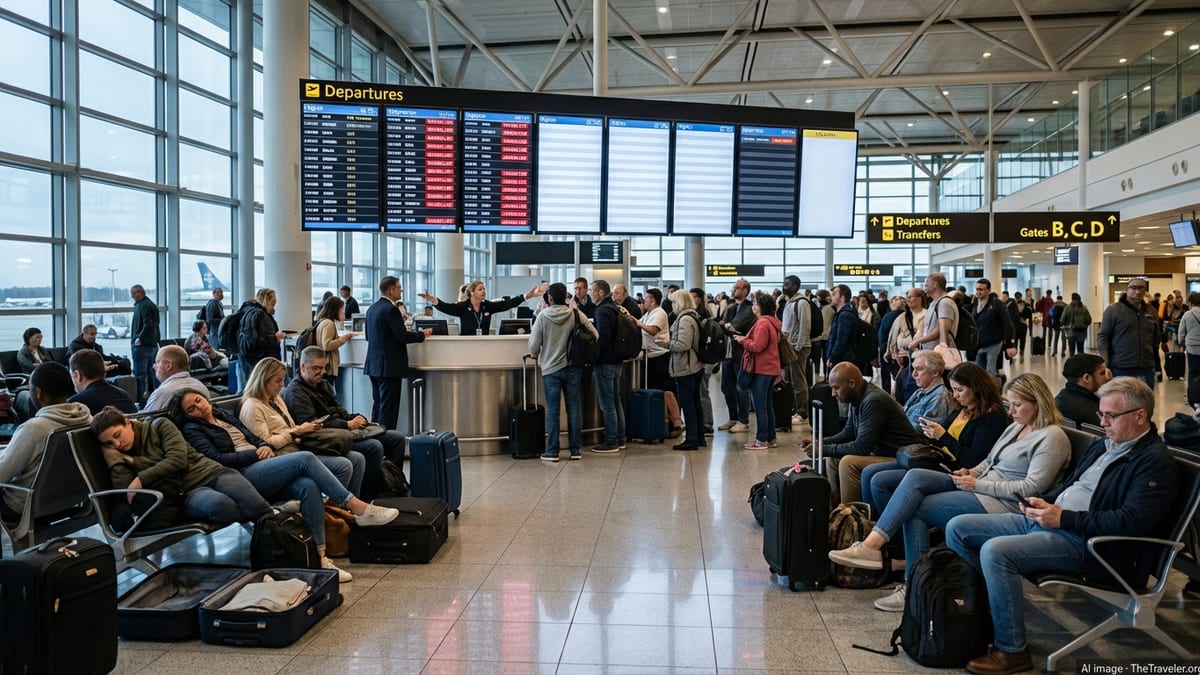
Beyond the immediate security risk, the practical travel concern for many visitors is disruption. A major theme in recent official travel warnings for the broader region has been the possibility of sudden flight cancellations, periodic airspace closures, and rapid changes to airline schedules, especially during spikes in regional tension.
Travelers planning itineraries that depend on tight connections through Gulf and Red Sea air corridors may face last minute rebooking, diversions, or longer routings. Even when flights operate normally, heightened security postures can bring longer screening times and tighter controls at major facilities.
Travel guidance from partners such as the UK also notes that airports near the Yemen border can be temporarily closed, and it encourages travelers to check with airlines before traveling to airports in higher risk areas.
Geography matters: border zones and the Red Sea corridor
While much of Saudi Arabia’s tourism growth has focused on marquee destinations in and around Riyadh, Jeddah, AlUla, and the Red Sea coastline, the current wave of warnings underscores that risk can be uneven, and that distance from borders and strategic infrastructure can materially change the security picture.
International advisories have pointed to renewed risk to critical infrastructure, including aviation and energy sites, and have also referenced threats to shipping in the Red Sea. That matters not only for cargo and energy markets, but also for passenger travel plans connected to coastal routes and ports.
For travelers, the most consequential operational takeaway is to treat border regions and sensitive sites as off limits in practice, even if they are not part of a planned itinerary. Proximity can increase exposure to incidents and to responsive security measures such as road closures and restricted movement.
How to plan if you still intend to go
A Level 3 advisory does not mean travel is prohibited, but it does mean planning needs to be more deliberate. Travelers should monitor official security alerts and airline operational updates before departure and throughout their stay, particularly when regional tensions rise quickly.
Because the U.S. advisory also notes local laws, visitors should be cautious with public posting and sharing, especially content related to security incidents, military activity, or sensitive infrastructure. Other government advisories have also warned that photographing or filming critical infrastructure and military related activity can lead to serious legal consequences.
It is also wise to build flexibility into the trip: refundable lodging when possible, contingency funds for rerouting, and a plan for where to shelter if an incident occurs. Travelers with complex itineraries, including onward connections through nearby countries, should consider whether postponing non essential travel is the simpler and safer choice until the risk environment stabilizes.