


More news on this day
The U.S. State Department has raised its travel advisory for Saudi Arabia to Level 3, urging Americans to reconsider travel as regional security risks escalate, including the possibility of drone and missile attacks tied to wider tensions involving Iran and Iran-aligned groups.
Get the latest news straight to your inbox!
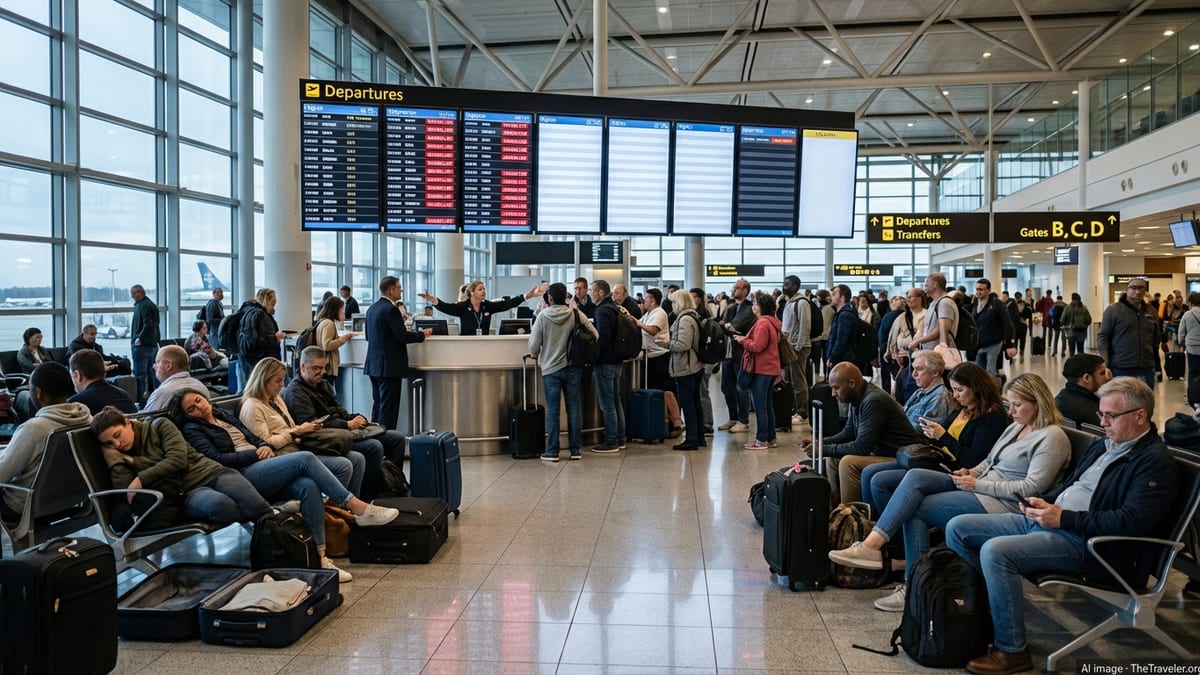
What changed in the US travel advisory
Publicly available State Department guidance dated September 15, 2026 lists Saudi Arabia at Level 3, “Reconsider Travel,” a step that typically signals elevated risk beyond routine caution. The advisory cites concerns that include terrorism and broader security conditions, and it sits alongside a wider U.S. message urging increased caution for Americans abroad amid regional tensions.
The State Department’s Saudi Arabia advisory also includes practical consular context for U.S. government personnel in-country. The page notes that, as of August 30, 2026, family members may join U.S. government employees working in Saudi Arabia, a detail that underscores how official posture can evolve even while broader risk language is tightened for travelers.
For travelers, a Level 3 advisory does not mean U.S. citizens are barred from entry, nor does it automatically trigger airline cancellations. It does, however, raise the bar for trip justification and planning, and it is likely to influence travel insurance terms, corporate travel approvals, and university study-abroad decisions.
Why drones and missiles are central to the current warning
Recent published coverage has highlighted renewed concerns about aerial threats in and around Saudi Arabia, including drones and missiles associated with the Iran conflict and with Iran-aligned armed groups in the region. Such threats can unfold quickly and may not be limited to obvious military sites, especially when air defenses engage targets near populated areas.
In mid-September, news reporting described heightened alarm after an attempted attack near Islam’s holiest sites, with Saudi Arabia describing the incident as crossing a major threshold and regional organizations issuing condemnations. Separately, coverage has described claims by the Houthis in Yemen of using drones and missiles aimed at Saudi targets, part of a pattern of cross-border attacks that has periodically surged during broader regional escalations.
Even when incidents do not lead to mass casualties, the operational effects for travelers can be immediate: airspace restrictions, sudden flight delays, temporary airport disruptions, and tightened security measures at hotels and public venues. Travelers should also expect the possibility of mobile network congestion or localized restrictions during a rapidly developing incident.
What travelers should watch: entry rules, airports, and disruptions
Saudi Arabia’s main international gateways for many U.S. travelers include Riyadh’s King Khalid International Airport, Jeddah’s King Abdulaziz International Airport, and Dammam’s King Fahd International Airport. In periods of heightened tension, disruptions may be uneven, with some airports operating normally while others see rolling delays tied to air defense activity, airspace management, or security posture changes.
Travelers with tight connections should build in extra buffer time and consider refundable or flexible fares where possible. Where itineraries involve transiting neighboring Gulf hubs, the risk picture can extend beyond Saudi Arabia, since broader U.S. caution messaging has referenced the possibility of Iran-linked targeting of U.S. interests in multiple countries.
Another practical issue is documentation. State Department public guidance emphasizes ensuring travel documents are in order and, for certain uses, authenticated or attested. While most tourists will not need additional document authentication beyond standard entry requirements, business travelers and long-stay visitors should double-check paperwork well before departure to avoid complications if processing times or embassy services are affected by security conditions.
Energy and regional conflict fallout that can affect trip planning
Travel warnings are landing alongside real-world disruptions tied to the wider conflict environment. Recent reporting has described attacks on energy infrastructure and the temporary shutdown of a major pipeline after drone strikes, developments that can ripple into travelers’ plans indirectly through fuel-market volatility and changes in local logistics.
For visitors, the immediate concern is not typically access to gasoline at the pump, but the second-order effects: higher operating costs for tour providers, potential changes in domestic flight schedules, and short-notice adjustments to ground transportation during periods of heightened security.
Travelers should also keep an eye on regional maritime and air corridor stability. Published analysis and reporting have described tensions affecting key transit routes in and around the Gulf, and while most visitors will fly into Saudi Arabia, disruptions to regional corridors can cascade into flight reroutes and longer travel times.
How Americans can reduce risk without canceling automatically
For travelers who still need to go, the most important step is staying current. State Department resources for the Middle East and global caution notices encourage monitoring destination-specific alerts and enrolling in the Smart Traveler Enrollment Program so travelers can receive security updates and make it easier for consular support to reach them in an emergency.
On the ground, travelers can reduce exposure by avoiding large gatherings where feasible, keeping a low profile with respect to politically sensitive topics, and reviewing hotel and venue security procedures. It is also wise to keep printed and offline copies of critical documents and contacts in case mobile connectivity becomes unreliable during a fast-moving incident.
Finally, travel insurance and employer policies should be checked before departure. A Level 3 advisory can affect coverage terms and corporate approvals, so travelers should confirm what is and is not covered, and consider contingency plans for early departure if flight schedules shift or security alerts advise limiting movement.