


Dubai International Airport, better known as DXB, is one of the world’s busiest hubs and a major stopover point between Europe, Asia, Africa and the Americas. Whether you are starting your trip in Dubai or connecting onward, knowing what to expect before you fly can turn a potentially overwhelming airport experience into a smooth, even enjoyable, part of your journey.
Get the latest updates straight to your inbox!
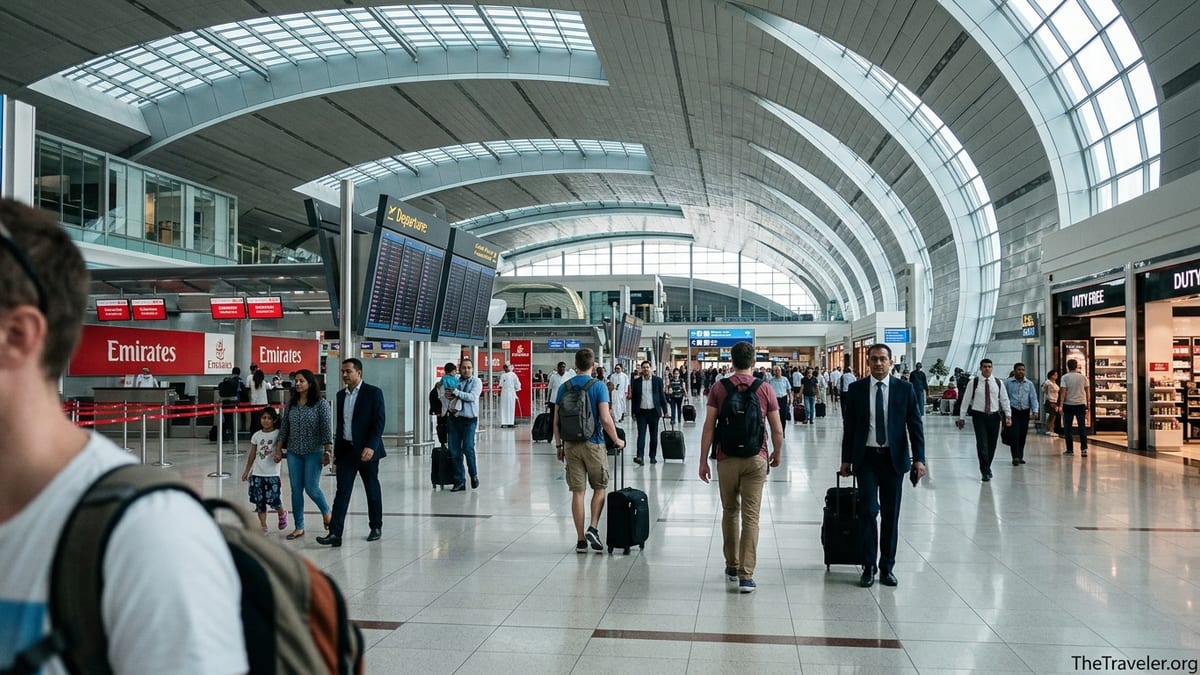
Understanding DXB’s Terminals and Where You Will Depart
Before you think about where to eat or which lounge to use, it helps to know which part of Dubai International you will actually be flying from. DXB has three main passenger terminals: Terminal 1 handles many international airlines, Terminal 2 serves mostly regional and low cost carriers such as flydubai, and Terminal 3 is the massive home base for Emirates and a number of flydubai and United Airlines flights. In practice, most long haul passengers departing Dubai today will leave from Terminal 3, spread across Concourses A, B and C, which are linked airside by walkways and train services.
For example, if you are flying Emirates from New York to Bangkok via Dubai, both legs are typically operated from Terminal 3. A traveler on flydubai might depart from Terminal 2 for short regional flights, but some flydubai services connect through Terminal 3 in partnership with Emirates, so it is worth checking your booking and boarding pass carefully. Airport signage is clear and color coded, but at peak times DXB can feel crowded, so knowing your terminal and concourse in advance saves time and anxiety.
Transfers between terminals are possible but not instant. The airside shuttle between Terminal 1 and Terminal 3 is relatively quick, but moving between Terminal 2 and the others can take 20 to 30 minutes including waiting time. If you have a tight connection, try to stay on the same terminal and ideally the same concourse. Many seasoned travelers will even choose flights that keep them in Concourse B, where the biggest choice of lounges, restaurants and shops is concentrated.
DXB is also directly connected to the city by metro and taxis. A traveler leaving from Terminal 3 at 09:00 might leave a downtown Dubai hotel around 06:00, reach Terminal 3 by 06:30 using a taxi that costs roughly 50 to 70 dirhams, and still have time for check in, security and breakfast at the airport. Building that timeline in your head before you travel helps you visualize the flow of your departure day.
Arriving at the Airport: Check In, Baggage and Fast Track Options
Dubai International encourages passengers to arrive three hours before long haul departures, and many airlines close check in 60 minutes prior to departure. At Terminal 3, economy passengers usually join large common check in zones, while business and first class have dedicated counters and sometimes a separate entrance. Emirates, for instance, offers private first and business check in areas in Terminal 3, where travelers can complete formalities in a quieter space before heading directly to immigration.
Self service kiosks and bag drop counters are common in Terminals 1 and 3, allowing tech confident travelers to print boarding passes and bag tags in a few minutes. For example, a passenger on an early morning Emirates flight to London might use a kiosk near Door 3 at Terminal 3, attach their tags, and then join the short bag drop line instead of the longer full service queue. If you are traveling with special baggage like sports equipment or pets, you will still need to see a staffed counter, and it is wise to build in extra time.
Meet and assist services are popular at DXB, especially for first time visitors, older travelers or families with young children. Companies such as marhaba offer pre booked silver or gold “meet and greet” packages that include an escort at check in, guidance through immigration and security, and access to a departure lounge for a fee per person. In practice this can look like a marhaba agent meeting you near the check in area in Terminal 3, handling your documents, leading you to a dedicated fast track immigration line, and dropping you at your gate or lounge around an hour later.
Porter services are also available curbside and inside the terminal, useful if you are arriving with several large suitcases or bulky shopping. Fees are generally moderate compared with hotel bell services in the city, and many travelers tip in addition to the posted price. If you are connecting rather than starting in Dubai, your baggage is usually checked through to your final destination and you will follow the “Transfers” signs instead of exiting to arrivals.
Clearing Security and Immigration: What the Process Feels Like
The next major stage before you fly is passing through security screening and passport control. At DXB, security usually happens first, followed by immigration for departures. Lines fluctuate dramatically depending on the time of day; early morning banks of flights to Europe and Asia can be particularly busy. On a typical Friday between 07:00 and 09:00, you might wait 15 to 30 minutes for security in Terminal 3, then another 10 to 20 minutes at passport control, though sometimes it is much quicker.
Dubai uses a mix of staffed counters and automated e gates. UAE citizens and residents, and many frequent visitors who have registered their biometric details, can use smart gates that scan passports and faces for a quick exit. A business traveler who regularly flies between Dubai and Riyadh, for instance, might walk through security with only a laptop and phone in the tray and then use an e gate, clearing the whole process in under 10 minutes when lines are light. Tourists who are not registered will go through traditional counters where an immigration officer checks passports and, if applicable, visas or visa on arrival eligibility.
Security rules follow international norms: liquids and gels in small containers in a clear bag, laptops out of bags, and no large power banks in checked luggage. Families with children and travelers with limited mobility can request assistance; airport staff are generally proactive about directing them to appropriate lanes. Passengers connecting from other flights follow similar procedures but may pass through transfer security points inside the terminal rather than the main departures hall.
It is worth noting that DXB security can occasionally re check items that have already passed screening at another airport, particularly if you are transiting from smaller regional airports. A traveler arriving from a short haul flight into Terminal 1 and connecting onward to North America via Terminal 3 might find that a jar of local honey or an oversized perfume bottle is confiscated at the Dubai transfer security gate, even if it was allowed through the origin airport. Planning ahead by packing duty free purchases into cabin size bags and keeping liquids within standard limits reduces unpleasant surprises.
Lounges, Sleep Pods and Places to Rest Before Your Flight
Once you are airside, one of the biggest questions is where to spend your waiting time. DXB offers a wide range of lounges, from flagship Emirates First and Business lounges in Terminal 3 to independent options like Marhaba, Plaza Premium and Ahlan lounges across the concourses. Many of these can be accessed through airline status, premium cabin tickets, or membership programs such as Priority Pass and DragonPass, while others allow paid entry on the day subject to availability.
For example, a traveler holding an economy ticket from Dubai to Sydney might use a DragonPass membership to enter a Marhaba lounge in Concourse B for up to three hours, enjoying hot buffet food, soft drinks, basic shower facilities and a quieter seating area than the public gates. A family flying economy to Nairobi could instead choose Plaza Premium in Concourse A, where the seating and children’s play areas might suit them better. Prices for pay in lounges vary but often fall in the range of the cost of a mid range restaurant meal for one or two people in Dubai, which helps you compare value.
For genuine sleep, Dubai has developed a network of dedicated rest facilities. The Sleep ‘n Fly lounges in Terminal 3’s Concourses A, B and C provide nap pods and small cabins that can be rented by the hour, with options like “Igloo” pods or “YAWN” cabins starting around the price of a simple city hotel room for a short stay. An economy passenger with an eight hour overnight layover might pre book a four hour block in a Sleep ‘n Fly pod for early morning rest, then spend the remaining time exploring the terminal and grabbing breakfast. Compared with dozing in a public chair, having a quiet, dark space with a door can make a big difference on a long trip.
If you prefer a full hotel room, the Dubai International Hotel is located airside in Terminal 3, mainly around Concourse B. Rooms can often be booked in blocks of several hours, giving access to a proper bed, private bathroom, gym and often a small pool or spa area. A traveler arriving from Johannesburg at 06:00 and departing for Los Angeles at 02:00 the following day might reserve an eight hour daytime stay, shower, sleep, and perhaps use the fitness center, emerging in the evening feeling far more human than if they had spent 20 hours in gate seating.
Showers, Spas and Freshening Up Before a Long Flight
Freshening up before a long haul flight is a common priority, especially for travelers arriving from hot or humid climates. At DXB, showers are available in several forms: inside premium lounges, inside the airside hotel, and in dedicated pay per use shower facilities that do not require a lounge entry. Many independent reports mention paid showers near certain gates in Concourse B priced roughly in the mid tens of US dollars for a half hour slot including towel and basic amenities, though exact fees and locations can change and are best confirmed on the day.
Emirates Business and First lounges in Terminal 3 include complimentary shower suites stocked with toiletries, which can be a major perk if you hold a premium ticket or elite frequent flyer status. A business class passenger connecting from Milan to Singapore might land in the early morning, head straight to the lounge, take a quick shower, and then enjoy breakfast before boarding the next flight. Travelers using independent pay in lounges like Marhaba or Ahlan should check whether shower use is included or limited by waiting lists, as peak times can cause queues for the facilities.
For a more indulgent pre flight experience, DXB’s Timeless Spa locations in Terminal 3 offer massages, facials, manicures and quick beauty treatments inside the airport hotel and select lounges. Someone on a tight timeline might book a 25 minute back and shoulder massage in the afternoon between meetings in Europe and a night flight to Asia, while another traveler might opt for a longer facial during a six hour layover. Prices are similar to mid range hotel spas in Dubai and can be charged to a credit card, so you do not need to carry large amounts of local currency.
Even if you do not plan on a full spa visit, it is worth packing a small “airport refresh kit” with toothbrush, travel size deodorant and a change of clothes in your cabin bag. In practice this can mean stepping into a regular restroom in Concourse B, using the spacious sinks to freshen up, changing into comfortable flight clothes, and feeling ready for a 14 hour economy flight without spending extra money on spa or lounge services.
Food, Shopping and Quiet Corners While You Wait
Dubai International is known for its extensive dining and shopping areas, particularly in Terminal 3. You can expect a mix of international chains and local concepts, covering everything from quick coffee kiosks and grab and go sandwich counters to sit down restaurants serving Middle Eastern, Asian and Western cuisines. A traveler on a budget might choose a simple shawarma wrap and soft drink from a casual outlet for a price similar to a basic meal in downtown Dubai, while someone looking to celebrate the start of a vacation could sit down at a full service restaurant for steak or seafood and a glass of wine.
Most terminals operate 24 hours a day, but individual outlets may close during quieter periods between late night and early morning. Duty free shopping is extensive, with large walk through areas selling perfume, cosmetics, electronics, dates and chocolates. A common real world example is the traveler who realizes at the last minute that they need a gift; they might buy a box of premium stuffed dates, a regional fragrance, or a compact gadget like wireless earbuds from one of the electronics stores right before boarding.
If you need a quieter environment, look beyond the busiest central halls. In Terminal 3’s Concourse B, the Zen Gardens near certain gates provide a calmer space with greenery where passengers sit on benches away from heavy shopping traffic. Families will find dedicated play areas where children can climb and burn off energy before a long flight. Many seasoned travelers report that simply walking toward the far ends of the concourses often reveals empty gate areas with plenty of open seating and nearby restrooms, especially outside peak banks of departures.
Power outlets and charging points are scattered throughout the terminals, although competition for sockets can be fierce near busy gates. Bringing a small multi plug adapter or a power bank can make life easier. Free Wi Fi is widely available, and a practical routine for many travelers is to find a seat near a window, charge devices, download entertainment for the flight, and keep an eye on the departure screens rather than standing in crowded central halls.
Practical Tips: Money, Connectivity, Dress and Cultural Expectations
Although Dubai is a modern, international hub, a few local details are helpful to know before you fly. Most airport purchases can be made by credit or debit card, and contactless payments are widely accepted, so there is usually no need to exchange large amounts of cash just for the airport. If you do need dirhams for taxis or tips on arrival, several ATMs and currency exchange counters are positioned both landside and airside in all terminals.
Mobile connectivity is straightforward, with free Wi Fi throughout DXB and several kiosks selling local SIM cards or e SIM activations. A traveler landing from Europe and connecting onward to Asia might use a spare 30 minutes at their gate to buy a local SIM that comes pre loaded with a modest data package for a price comparable to a budget monthly plan back home. That connection helps them update family, check hotel bookings and use ride hailing apps after landing at their final destination.
Dress codes in the airport are relaxed by regional standards, but it is respectful to avoid very revealing clothing. Lightweight long trousers, t shirts or shirts with sleeves, and a light jacket for air conditioned areas work well. This is especially practical because cabin temperatures on long haul flights can feel cool even when the outside weather in Dubai is hot. During religious holidays such as Ramadan, some food and beverage outlets may adjust their service style, though in recent years airports have generally maintained options for non fasting passengers in designated areas.
Culturally, staff at DXB are used to dealing with a global mix of passengers and are generally efficient and polite. Simple courtesies, like greeting staff, having your passport open at the information page, and following security instructions promptly, help keep lines moving. If you encounter an issue such as a tight connection or lost item, look for clearly marked customer service desks or ask any uniformed staff member who can direct you to the right team.
The Takeaway
Dubai International Airport can feel vast and busy, but with a little preparation it becomes a highly functional and even enjoyable part of your journey. Understanding which terminal you will use, planning adequate time for check in and security, and deciding in advance whether you want lounge access, a sleep pod or a simple quiet seat near your gate will make your departure day far less stressful.
Simple, real world decisions have a big impact: choosing to arrive three hours early rather than two, setting aside a modest budget for a shower or meal, or pre booking a short block of sleep in a pod or hotel room on a long layover can dramatically improve how you feel when you finally board your flight. DXB is designed to handle millions of international travelers a month, and if you approach it with realistic expectations and a clear mental map of the steps before you fly, it becomes not a hurdle but a helpful transit point on the way to wherever you are headed next.
FAQ
Q1. How early should I arrive at Dubai International Airport before my flight?
Most airlines recommend arriving about three hours before an international departure from Dubai. At busy times, such as early morning waves of long haul flights, lines for check in and security can be longer, so giving yourself the full three hours provides a comfortable buffer for unexpected delays.
Q2. Can I sleep at Dubai Airport without leaving the terminal?
Yes. In Terminal 3 you can book Sleep ‘n Fly pods or small cabins by the hour, or reserve a room at the airside Dubai International Hotel in Concourse B. Many travelers on long overnight layovers use these options to get proper rest without clearing immigration or rechecking baggage.
Q3. Are there showers at Dubai Airport for economy passengers?
Showers are available in several pay in lounges and dedicated shower facilities, as well as inside the airside hotel. While premium lounges include showers for eligible passengers, economy travelers can usually pay a fee for a timed shower session that includes towels and basic toiletries, subject to availability.
Q4. Do I need local currency to buy food or shop at DXB?
Not necessarily. Most cafes, restaurants and shops at Dubai International accept major credit and debit cards and contactless payments. If you plan to take a taxi or tip porters on arrival in Dubai, you might withdraw a small amount of dirhams from an ATM, but for airside purchases cards are usually sufficient.
Q5. Is lounge access at Dubai Airport worth paying for?
It depends on your situation. For a short layover, paying for a lounge can provide a calmer environment, food, drinks and sometimes showers. On very long layovers, some travelers prefer to spend that money on a sleep pod or short stay hotel room instead, especially if they value real rest over buffet meals.
Q6. How easy is it to transfer between terminals at DXB?
Transfers between Terminals 1 and 3 are fairly straightforward using airside shuttles and walkways, but moving to or from Terminal 2 can take 20 to 30 minutes including waiting times. If you have a tight connection, booking flights that use the same terminal and ideally the same concourse is usually more comfortable.
Q7. Is Dubai Airport open 24 hours a day?
Yes. Dubai International operates around the clock, with flights, security, and essential services running 24 hours. However, individual shops and restaurants may close for short periods during quieter hours, so if you have a very late night or early morning flight, your choice of outlets might be more limited.
Q8. What should I wear when flying from Dubai International Airport?
Comfortable, modest clothing works best. Lightweight long trousers, shirts or tops with sleeves, and a light jacket for air conditioned areas are practical choices. While the airport is used to international styles, very revealing clothing may attract unwanted attention and can feel out of place in a regional hub.
Q9. Can I leave the airport during a long layover in Dubai?
Many passengers with layovers of six hours or more choose to leave the airport to see a bit of the city or rest at a nearby hotel. Whether you can do so depends on your nationality and visa rules, so it is important to check visa on arrival or transit visa eligibility and allow enough time to return through security for your onward flight.
Q10. Is the Wi Fi at Dubai Airport reliable enough for work?
DXB offers free Wi Fi that is generally stable enough for email, messaging and light browsing. Many business travelers successfully handle video calls or remote work during layovers, especially when seated near quieter gates or in lounges where the connection is less congested than in the main shopping halls.