


More news on this day
As global travel demand rebounds and recent strikes and schedule disruptions strain airline call centers, many Lufthansa passengers are struggling to get quick answers on bookings, changes, and refunds. Publicly available information and recent traveler reports indicate that the airline’s support strategy is shifting toward digital tools and self-service, leaving customers searching for the fastest way through to real help when their plans are on the line.
Get the latest news straight to your inbox!
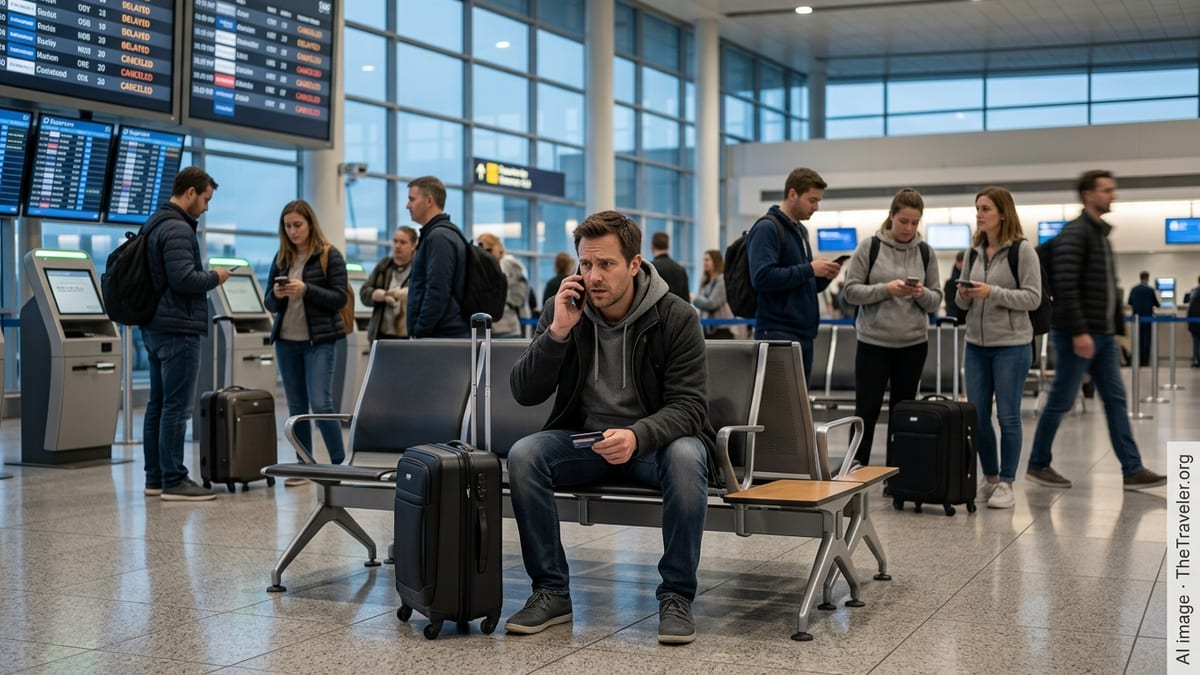
A Changing Support Landscape for Lufthansa Travelers
Lufthansa’s customer service model has been in transition, with the carrier investing heavily in digital tools and centralized platforms to handle a surge in post-pandemic travel and disruption-related requests. The group has reported substantial improvements in call center availability and shorter average phone waiting times compared with the height of the crisis years, yet individual experiences still vary widely depending on when and how passengers seek help.
Operational reports for the wider Lufthansa Group highlight efforts to streamline customer inquiries through integrated websites and a unified Help Center in the airline’s apps. These tools are designed to push routine tasks such as seat selection, rebooking within fare rules, and baggage tracking into automated flows, reserving human agents for more complex problems. At the same time, the company is restructuring its physical customer service footprint, including the planned closure of at least one North American call center, a move presented as a long-term efficiency step.
Against this backdrop, traveler feedback collected across review platforms and forums through mid-2026 paints a mixed picture. Some passengers describe rapid assistance via dedicated hotlines or app-based options, while others report multi-hour waits on hold or in chat queues, particularly around strike days and mass cancellations. For many, the difference between a smooth resolution and a long ordeal comes down to knowing which channel to try first.
Phone Lines and Timing: Still the Fastest Route for Urgent Issues
Despite Lufthansa’s emphasis on digital tools, phone support remains one of the quickest paths to a solution for urgent booking problems such as last-minute cancellations, schedule changes, and mis-ticketed itineraries. Public call center statistics released by the group indicate that, outside peak disruption periods, call centers are available the vast majority of the time and average waits can be relatively short. However, during strikes or large-scale weather events, passengers report that reaching a live agent can take hours or may not be possible at all on the first attempt.
Seasoned travelers increasingly recommend specific strategies to improve the odds of getting through. Calling right when regional lines open in the early morning, trying alternative country numbers listed in the airline’s Help and Contact pages, or placing calls from less congested markets are all tactics shared in public forums. Some customers report success by hanging up and redialing if their place in the queue appears stuck, as well as by using internet-based calling apps to reach overseas support numbers without incurring high charges.
For those holding elite status with Lufthansa’s frequent flyer program or booking through a corporate travel account, specialized hotlines can significantly cut waiting times. While not every traveler has access to these lines, publicly available information suggests that status-linked numbers and corporate service desks often have shorter queues and more authority to make discretionary changes, particularly when rebooking or rerouting is required at short notice.
Leveraging the Lufthansa App, Help Center, and Chat
Lufthansa’s websites and mobile app have become central to the carrier’s support strategy, especially for booking-related tasks. The integrated Help Center now offers guided flows for changing flights within fare rules, requesting refunds or vouchers when the airline cancels a leg, resolving many name or passenger data issues, and initiating baggage follow-up. In many straightforward cases, these tools can provide an answer within minutes without the need to call.
Live chat and messaging functions are increasingly prominent, appearing both on the airline’s main site and within the app. In quieter periods, travelers report that chat agents can resolve simple booking questions quickly, from correcting contact details to confirming voucher use. During disruptions, however, chat queues can resemble phone lines, with some passengers documenting multi-hour waits, system resets, or an inability to even join the queue when demand is too high.
Experts in customer service design note that airlines are using automated assistants as gatekeepers, routing only the most complex cases to live staff. For Lufthansa passengers, that means clearly describing the problem within the chat interface and using the exact booking reference and dates the system expects can help trigger escalation to a human agent more quickly. When the task is eligible for self-service, such as a same-day rebooking within provided options, working through the app or website first often leads to the fastest outcome.
Social Media, Airports, and Third-Party Channels
Beyond official phone and app-based services, passengers are increasingly turning to secondary channels when traditional support lines are congested. Social media platforms offer a way to flag time-sensitive booking problems, with some travelers reporting that public posts describing concrete issues occasionally prompt faster responses. However, publicly shared experiences suggest that social channels are best for non-urgent questions or follow-up rather than last-minute rebookings, as response times can be inconsistent.
Airports themselves remain one of the most direct points of contact in crisis situations. During recent strike periods, reports from major hubs such as Frankfurt and Munich describe long lines at service counters, but also note that in-person staff can sometimes process complex rebookings or confirm ticket changes that proved difficult to finalize by phone or chat. For travelers already in transit, arriving early at the airport and approaching staffed desks has been described as a practical fallback when digital channels stall.
Another emerging workaround involves third-party intermediaries. Credit card travel concierges, online travel agencies, and partner airlines on the same ticket can, in some cases, access reservation systems and adjust bookings when Lufthansa’s own lines are congested. Public accounts show mixed results: some travelers report that a card concierge reached an airline agent faster than they could on their own, while others found that third parties were limited in what they could change. These channels can be especially useful where tickets were originally issued by partners or bundled with hotels and car rentals.
Self-Service Tools and Documentation to Speed Up Resolutions
For many booking issues, the fastest solution is often the one passengers can complete themselves using Lufthansa’s digital infrastructure. The airline’s customer service plan and disruption pages steer travelers first towards online rebooking tools when a flight is delayed or cancelled, allowing customers to select alternative connections, request rail vouchers on certain routes, or convert the value of unused tickets into travel credits. When these options appear in a booking profile, using them directly tends to be quicker than queuing for a live agent.
Thorough documentation plays a critical role in speeding up any contact with support staff, regardless of channel. Consumer advocates advise travelers to keep boarding passes, confirmation emails, screenshots of error messages, and photos of airport departure boards or delay notifications. When contacting Lufthansa’s service center, baggage desk, or claims teams about refunds, schedule changes or compensation, having this evidence prepared in a concise timeline can help agents verify details and process requests more efficiently.
Finally, travelers seeking formal refunds or compensation after disruptions are often directed to dedicated online forms. While these cases can take weeks to resolve during busy periods, filing through the specified digital channels rather than by email or general contact forms appears to increase traceability, providing case numbers and status updates. Combining these formal processes with well-timed calls or app-based follow-ups gives passengers multiple ways to move stalled cases forward while global travel demand keeps pressure on airline support systems.