


More news on this day
Malaysia Airlines is set to bring its new Airbus A330neo to Brisbane, adding the latest generation twin-aisle jet to the Kuala Lumpur–Brisbane route as the carrier ramps up capacity into Queensland.
Get the latest news straight to your inbox!
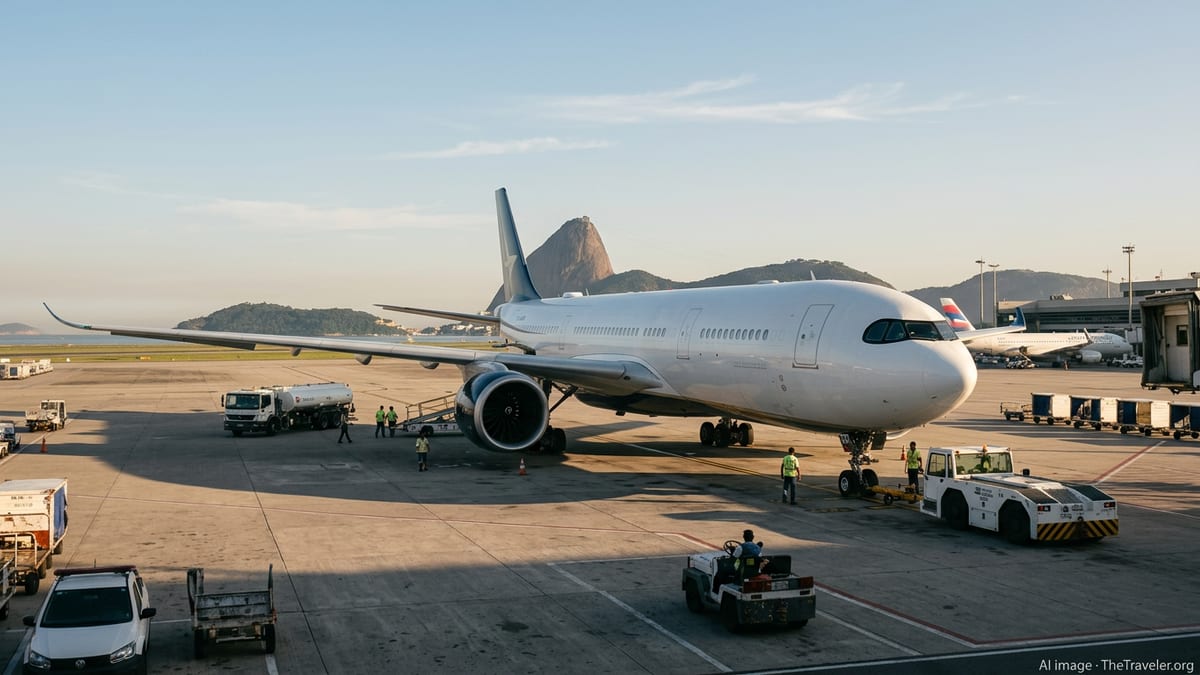
New A330neo Jets Join the Kuala Lumpur–Brisbane Route
Publicly available schedule data indicates that Malaysia Airlines will progressively introduce the Airbus A330-900neo on flights between Kuala Lumpur and Brisbane from mid August 2026, replacing older A330-300 aircraft on selected rotations. The move aligns with the airline’s wider fleet renewal program across its Australia network.
Specialist network outlets report that from 15 August 2026, the Brisbane service increases to six weekly flights, with the A330neo scheduled on part of the rotation. A further adjustment in the northern winter 2026/27 season is set to take the route to daily service, with schedules showing the A330neo as the operating type on the expanded program.
Flight listings for MH134 between Brisbane and Kuala Lumpur show the aircraft type switching to the A330-900neo from mid August 2026 on several weekly departures. This provides a clearer picture of when Queensland travelers can expect to see the new jet regularly on the route.
The deployment marks the first time Malaysia Airlines has scheduled its latest long haul aircraft to Brisbane, following earlier rollouts to other Australian gateways such as Melbourne and Sydney.
Capacity Boost for a Rebuilt Brisbane Link
The introduction of the A330neo coincides with a steady build-up of Malaysia Airlines’ presence in Brisbane after the carrier restored nonstop Kuala Lumpur services in late 2025. Initial operations returned with five weekly flights using A330-300 aircraft, targeting both leisure and business demand between Malaysia and Queensland.
Subsequent schedule filings and airport communications indicate that rising load factors have supported a step up to six weekly services from August 2026, followed by a move to a daily pattern from late October. The A330neo is positioned as the primary aircraft type on this expanded schedule, underlining the strategic importance of the route in the airline’s Australian network.
The strengthened timetable provides more options for same day connections beyond Kuala Lumpur into Southeast Asia, South Asia and selected European destinations. For Brisbane, it restores a level of connectivity similar to pre-pandemic patterns, when multiple Asian carriers maintained regular long haul links into Queensland.
Industry coverage has highlighted the Brisbane increase as part of a broader recalibration of long haul capacity into Australia, where demand on Malaysia routes has recovered strongly from both the Malaysian and Australian markets.
Onboard Experience: What the A330neo Brings
The A330-900neo is Airbus’s latest version of the A330 family, equipped with new generation Rolls Royce Trent 7000 engines and redesigned wings aimed at improving fuel efficiency and range. Malaysia Airlines has used the type to showcase a new cabin product in both business and economy classes.
According to public descriptions of the aircraft layout, the airline’s A330neo features a refreshed business cabin with direct aisle access seats and upgraded inflight entertainment. Economy class receives updated seating, larger seatback screens and improved personal device charging options.
Compared with the A330-300 currently used on many Brisbane flights, the A330neo offers lower fuel burn per seat, which the airline positions as contributing to its emissions reduction goals. For passengers, the cabin refit is designed to deliver a quieter ride and a more contemporary interior, in line with what travelers already experience on the airline’s newest aircraft to Melbourne.
Frequent flyer commentary and early route deployments suggest that the A330neo has been well received on other Australian services, with particular notice given to the more modern business cabin and updated inflight entertainment system.
Strategic Role of Brisbane in Malaysia Airlines’ Network
Brisbane’s place in Malaysia Airlines’ network has evolved over the past decade, with the route previously suspended before being reintroduced as part of the carrier’s post-pandemic rebuild. Government releases and airline statements have pointed to strong tourism flows between Malaysia and Queensland, alongside growing two way student and business traffic.
The Kuala Lumpur–Brisbane corridor also plays a role as a one stop option between Queensland and destinations across Southeast Asia, India and parts of Europe. By assigning its newest widebody type to the route and raising weekly frequencies, Malaysia Airlines signals an intention to secure a larger share of this connecting traffic.
Industry analyses note that Australia remains one of the airline’s core overseas markets, with multiple daily flights to Sydney and Melbourne already scheduled on the A330neo. Adding Brisbane to the list of A330neo destinations helps create a more consistent product across the airline’s major Australian points.
The expanded schedule also enhances options for oneworld alliance travelers using Brisbane as a gateway, particularly those connecting from domestic services on partner airlines to long haul flights via Kuala Lumpur.
What Travelers Can Expect in the Months Ahead
For travelers booked on Malaysia Airlines between Brisbane and Kuala Lumpur from the second half of August 2026, aircraft type displays in booking systems will be the most reliable way to confirm whether a particular flight is scheduled with the A330neo. Schedules indicate that not every rotation will immediately use the new aircraft, especially during the initial phase of the deployment.
As the airline moves toward a daily Brisbane operation in the northern winter season beginning late October 2026, published timetables suggest that the A330neo will take on a more prominent role, providing a largely modernized widebody experience on the route. The consistency of product across different days of the week is expected to improve as additional aircraft join the fleet.
The changes place Malaysia Airlines among a group of carriers using next generation twin aisle aircraft to link Brisbane with key Asian hubs. For passengers, the shift promises newer cabins and more frequent options, while for the airline it represents another step in a multi year fleet renewal plan centered on the A330neo platform.
Observers will watch closely how the additional capacity and upgraded product influence competition on Malaysia bound itineraries from Queensland, as well as connecting traffic into broader Asian and European markets served through Kuala Lumpur.