


More news on this day
Russia is joining a growing list of countries advising against or limiting leisure travel to the Gulf at a moment when Emirates and Etihad are accelerating deployment of next-generation safety and turbulence-detection systems in a bid to keep global passengers flying through Dubai and Abu Dhabi.
Get the latest news straight to your inbox!
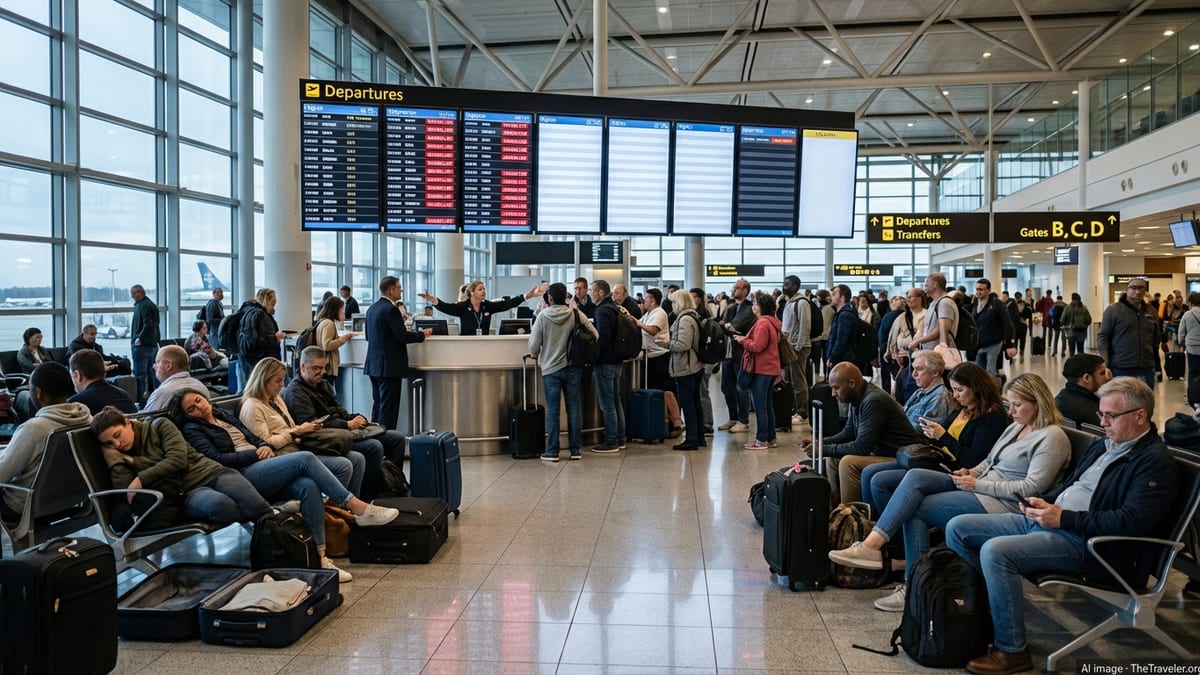
Russia Aligns With Wider Retreat From Gulf Travel
Published coverage in recent days indicates that Russian authorities are tightening guidance on non-essential travel to key Gulf destinations, including the United Arab Emirates, Qatar and Saudi Arabia, amid heightened regional security concerns. The shift places Moscow alongside a cluster of Western governments that have already urged citizens to reconsider or avoid trips to parts of the Middle East following flare-ups in the wider region.
Reports on Russian-language travel and policy sites suggest that the tone of advice has moved from routine caution to stronger language around potential risks associated with transiting or holidaying in Gulf hubs. This comes as some insurance providers in Europe and Asia have begun restricting cover for war or terrorism-related incidents in parts of the region, effectively raising the cost and complexity of travel for risk-averse tourists.
The Russian stance adds weight to what analysts describe as a global “retreat effect” from Gulf leisure travel, in which a relatively small number of high-profile security incidents and government warnings can trigger outsized shifts in consumer sentiment. The Gulf’s dependence on connecting traffic from Europe and Asia means that any sustained drop in Russian and Western demand could ripple across airline networks and hotel bookings.
At the same time, travel advisories from several countries continue to flag Russia itself as a high-risk destination, underscoring how geopolitical tensions are reshaping flows in both directions. Publicly available advisory maps highlight overlapping zones of concern that complicate itinerary planning for travelers who, until recently, routinely combined Russian trips with stopovers in Dubai or Abu Dhabi.
Gulf Hubs Under Pressure but Still Operational
Despite the tougher rhetoric in some national advisories, the main Gulf aviation hubs remain open and continue to handle large volumes of traffic. Community reports from frequent flyers and aviation enthusiasts describe a system that is operational but more volatile than in previous years, with occasional airspace restrictions, altered routings and schedule adjustments layered on top of usual seasonal demand patterns.
Travel forums in early 2026 have chronicled a period of temporary flight reductions and reroutings affecting Abu Dhabi and Dubai, followed by a gradual restoration of capacity as airlines judged that mitigations were effective. Contributors describe Gulf carriers restoring a significant majority of pre-crisis schedules within weeks, while still leaving room for short-notice changes if the regional security picture worsens.
For passengers, this has created a split reality. On the one hand, official statistics and airline data point to millions of travelers still moving through the Gulf every month, with no major commercial jet accidents linked to the latest tensions. On the other, highly publicized drone and missile incidents in the broader region, along with discussions of GPS jamming and spoofing risks, have left many would-be visitors uneasy about routing itineraries through the Gulf, especially with families.
Industry analysts note that the reputations of Emirates and Etihad as safety-focused carriers give them more leeway to maintain operations during periods of elevated concern. However, they also emphasize that consumer confidence is fragile, and argue that airlines need both robust technical countermeasures and clear communication to persuade nervous travelers that transiting Gulf hubs remains an acceptable risk.
Emirates Rolls Out AI-Powered Turbulence and Risk Tools
In parallel with geopolitical turbulence, Emirates is expanding its use of technology to reduce physical turbulence in the air. Publicly available information from the airline and industry publications shows that Emirates has joined the International Air Transport Association’s Turbulence Aware platform, integrating real-time, crowd-sourced turbulence data into its electronic flight bag systems.
Trade press reports describe how this data is combined with Lufthansa Systems’ Lido mPilot navigation solution to give crews more granular, in-situ visibility of atmospheric conditions along their routes. The aim is to enable earlier and more precise tactical decisions, such as altitude or track changes, which can avoid or lessen encounters with severe turbulence that occasionally result in injuries to passengers and crew.
Additional coverage in European travel media highlights Emirates’ trials of artificial intelligence and machine-learning models that draw on historical flight data, weather forecasts and pilot reports to predict turbulence encounters hours in advance. By feeding these predictions into flight planning, dispatch teams can shape routings that are both fuel-efficient and smoother, addressing a form of risk that many passengers directly feel in their seats.
Aviation regulators and meteorological agencies have been warning that climate change is contributing to more frequent clear-air turbulence on busy flight corridors. Against that backdrop, Emirates’ investment in predictive tools is being presented by industry observers as part of a broader, long-term effort to keep flights comfortable and safe even as atmospheric conditions grow more volatile.
Etihad Joins Industry Turbulence Networks and Upgrades Safety Systems
Etihad Airways, based in Abu Dhabi, is following a similar trajectory, with the airline’s latest sustainability and operations reports emphasizing investments in new-generation aircraft and advanced safety technologies. Aviation business outlets reported in 2025 that Etihad had signed up to IATA’s Turbulence Aware program, committing to both contribute and receive high-resolution turbulence data from across the global fleet.
Commentary in specialist aviation media suggests that Etihad is pairing this data-sharing initiative with upgrades to onboard weather-radar and flight-planning tools, helping pilots anticipate rough air and optimize flight levels earlier in a sector. The airline’s environmental and operational disclosures for 2023 and 2024 also highlight broader digitalization projects, including increased use of analytics to refine climb and descent profiles, which can support both safety and fuel-efficiency goals.
These developments come as Etihad rebuilds its network following periods of curtailed operations linked to regional tensions and airspace disruptions. Passenger accounts shared on online forums describe a carrier that has sometimes taken a more conservative stance than Emirates on route resumptions, but which remains strongly focused on maintaining its reputation as a premium, safety-conscious airline.
Analysts argue that by leaning into globally recognized safety programs and investing in next-generation technology, Etihad aims to reassure both regulators and consumers that Abu Dhabi can remain a dependable connecting hub despite the more complex risk environment around the Gulf.
Safety Innovation Versus Shifting Traveler Perceptions
The simultaneous tightening of travel advice from Russia and other countries, alongside the Gulf majors’ safety-technology push, illustrates a widening gap between technical risk management and public perception. Aviation experts often emphasize that commercial air transport remains statistically one of the safest forms of travel, even in regions experiencing geopolitical strain. Yet online discussions show that many travelers are now weighting destination risk and overflight risk more heavily than before.
Some travelers have responded to evolving advisories by rerouting via alternative hubs in Europe or Asia, even when that adds time and cost. Others are choosing to maintain itineraries through Dubai or Abu Dhabi but paying closer attention to airline safety records, aircraft types and connection times, and seeking flexible fares in case conditions deteriorate.
For Gulf tourism authorities and airlines, the challenge is to demonstrate that advanced safety measures are not merely technical talking points but have tangible benefits for passengers. Industry observers point to transparent communication about turbulence-avoidance performance, clear explanations of how conflict zones are avoided in flight planning, and flexible rebooking policies as tools that can gradually rebuild confidence among cautious travelers.
As Russia joins the global retreat from discretionary Gulf travel, the strategic bet by Emirates and Etihad is that sustained investment in next-generation safety systems, coupled with disciplined risk management, will eventually outweigh short-term fear. Whether that bet pays off will depend not only on technology and operational performance, but also on how the wider security environment in the Gulf evolves over the coming months and years.