


More news on this day
As monsoon rains linger into late September, deadly floods and landslides have torn through parts of Nepal just as the country’s crucial autumn trekking season begins, cutting roads, damaging villages and casting a long shadow over the Himalayan tourism economy.
Get the latest news straight to your inbox!
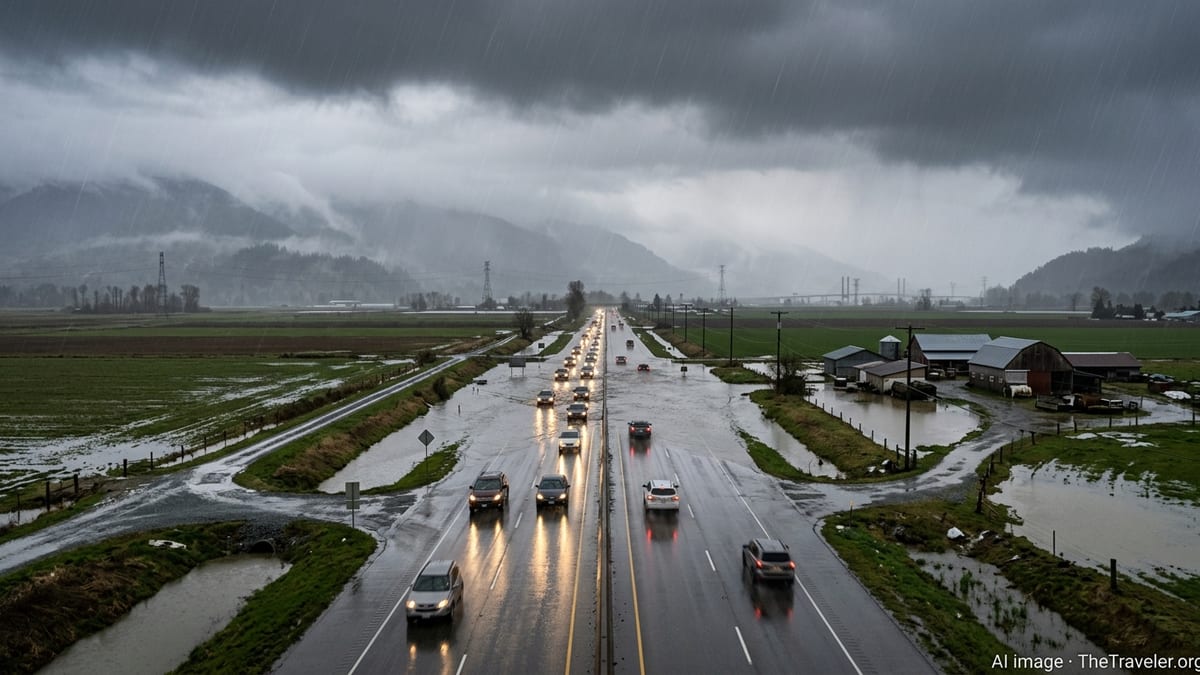
Peak season collides with late-monsoon disaster
September to November is traditionally the busiest period for trekking and mountaineering in Nepal, when post-monsoon skies clear and routes to Everest Base Camp, Annapurna and other Himalayan regions fill with international visitors. Industry data and tourism guides describe October in particular as the single most popular month for Himalayan trekking, with operators, lodges and guides relying on these weeks for a large share of their annual income.
This year, the usual optimism has been replaced by anxiety. Published coverage in Nepali and international media describes a series of intense rain events and flash floods during late August and September 2026, affecting river corridors such as the Bhote Koshi and Trishuli and triggering deadly landslides in several districts. Travel advisories from foreign governments have urged visitors to avoid or reconsider trips to the hardest-hit valleys because of unstable slopes, damaged bridges and the risk of further flooding.
While such disasters are not unprecedented in the Himalayas, the timing is particularly painful. Tourism board figures in recent years have highlighted a steady recovery in international arrivals during the autumn months, with September and October seen as essential for consolidating Nepal’s post-pandemic tourism rebound. The latest floods have disrupted that trajectory just as lodges, trekking agencies and transport providers were preparing for a strong 2026 peak.
Climate researchers and tourism analysts have for several years warned that heavier late-monsoon downpours are complicating the once-predictable transition from the rainy season to clear autumn weather. Reports on recent events indicate that the 2026 floods fit into this emerging pattern, with exceptionally intense rainfall arriving only days before the main trekking period was expected to get underway.
Key trekking corridors hit by landslides and closures
The impacts of the recent flooding are uneven across Nepal’s tourism regions. According to publicly available advisories and on-the-ground reports, sections of road and trail in valleys north of Kathmandu, including parts of the Bhote Koshi and Trishuli river corridors, have suffered extensive damage from landslides and debris flows. These areas provide road access toward popular trekking gateways and rafting stretches, so even localized destruction can ripple through wider visitor itineraries.
Updates shared by trekking information services and local commentators indicate that certain trekking routes have been temporarily suspended or strongly discouraged because key bridges and road links were washed away. In some districts, night-time vehicle movements have reportedly been restricted along high-risk road sections while geotechnical teams and local administrations assess slope stability and clear debris.
Other marquee trekking regions, including much of the Everest and core Annapurna networks, are described in recent coverage as largely operational but affected indirectly by transport disruptions and traveler uncertainty. Domestic flight schedules into mountain airstrips such as Lukla remain sensitive to weather and air-traffic congestion at Kathmandu, and any backlog or diversion caused by storm systems or runway maintenance can quickly cascade into delays for trekkers.
For travelers holding permits and bookings for late September and early October, these mixed conditions translate into a patchwork of possibilities. Some itineraries can proceed with minor adjustments, while others require rerouting to less-affected regions or postponement until damaged roads and trails are rebuilt. Advisory notes from trekking-focused publications emphasize that conditions can change rapidly, and that travelers should verify the status of specific valleys and access roads rather than assuming a uniform situation across the country.
“Still a lockdown” feeling for guides, lodges and local economies
In flood-affected districts, the human toll extends far beyond immediate casualties and physical damage. Reports from regional media and trekking community forums describe a sense of shock among guides, porters, lodge owners and small tourism businesses who had expected a busy autumn only to face cancellations, stranded bookings and a sudden loss of income. Several commentators compare the atmosphere to an economic “lockdown,” with guesthouses prepared for visitors but rooms sitting empty and supplies accumulating unused.
Many of the hardest-hit communities are deeply dependent on seasonal tourism. In popular trekking villages and roadside settlements, families often combine small-scale farming with earnings from lodging, guiding, transport or selling provisions to trekkers. When a late-monsoon disaster strikes just before peak season, it removes a vital earning window that helps households manage debts, pay school fees and invest in repairs before winter.
Publicly available information from business and policy publications on Nepal’s tourism sector notes that the autumn peak historically underpins everything from domestic air traffic volumes to hotel occupancy in Kathmandu and Pokhara. When visitor numbers fall short of expectations during these months, the effects are felt across supply chains, from airlines and bus companies to gear rental shops and city restaurants that cater to returning trekkers.
Some national and local initiatives in recent years have sought to diversify tourism across seasons and regions, promoting spring trekking and cultural tourism in less-visited areas to reduce overreliance on a narrow autumn window. The current floods are likely to intensify discussions about how to make mountain tourism more resilient to climate-linked shocks, both through infrastructure investments and through alternative livelihood options for communities built around trekking trails.
Travel advisories, route updates and what visitors can do now
For travelers with imminent departures, the evolving situation has turned trip planning into a moving target. According to recent advisories compiled by trekking information platforms and foreign travel-warning services, the most important step is distinguishing between regions where travel is broadly possible and specific valleys where flood impacts remain severe. Some notices call for avoiding or postponing trips through particular river corridors with active landslide risks, while recognizing that many other classic routes are open with caution.
Public information from Nepal’s weather and disaster-management agencies underscores that heavy rainfall can persist into late September, and that slope instability often continues even after the skies clear. Prospective trekkers are being urged by operators and information channels to monitor official weather bulletins and road-closure updates closely in the days before starting a trek, and to remain flexible about last-minute changes to routes or start dates.
Several trekking advisory articles published in September 2026 recommend working with registered agencies and licensed guides who receive frequent updates from local authorities and village contacts about trail conditions, bridge repairs and safe detours. These sources emphasize that while experienced independent trekkers may be accustomed to navigating minor landslides or washed-out sections, this year’s floods have created a more complex risk environment in some corridors.
Insurance and contingency planning are also gaining new prominence. Travel-industry analyses note that policies covering trip interruption, evacuation and extra accommodation costs can make a significant difference when flights are delayed, roads are blocked or trekkers must be rerouted mid-journey. Visitors are being encouraged to verify the fine print of their coverage, especially for high-altitude trekking and helicopter evacuation, before committing to nonrefundable bookings.
Balancing safety with support for a tourism-dependent nation
Despite the severity of the recent floods, many Nepali tourism voices highlighted in public forums stress that the entire country is not closed and that blanket cancellations may unintentionally deepen the economic pain for communities that remain safe and accessible. Commentaries from trekking professionals based in Kathmandu argue that it is possible to prioritize safety while still supporting livelihoods in regions where infrastructure is intact and risk levels are considered manageable.
This perspective reflects a long-standing reality in Nepal, where complex topography and highly localized weather mean that disaster zones can sit alongside unaffected trekking areas only a few valleys away. Past seasons have shown that trails and roads can be rebuilt quickly when the tourism economy depends on it, but that recovery is uneven and depends on available funding, terrain and the scale of the damage.
For travelers weighing ethical and practical considerations, recent coverage suggests a middle path. Those with flexible plans are encouraged to stay informed, consider shifting to less-affected regions or later dates rather than abandoning Nepal altogether, and direct spending toward local operators and lodges that adhere to safety guidance and support community recovery efforts. At the same time, there is a consistent call to respect local risk assessments and to avoid pressuring guides or drivers to enter areas where landslide or flood danger remains elevated.
As October approaches, the central question for Nepal’s tourism sector is not only whether trekkers will return, but how they can do so in ways that recognize the realities of a changing climate. The 2026 floods have again exposed the vulnerability of highland communities and critical access routes, even as they underscore the resilience and adaptability on which Nepal’s mountain tourism has long depended.