


Reykjavik in winter can feel magical: strings of Christmas lights, fresh snow on corrugated rooftops, steam rising from outdoor pools and, on good nights, the Northern Lights rippling overhead. It can also be dark, windy, icy and occasionally disrupted by weather. If you are weighing a winter trip between roughly November and March, it is important to understand what conditions are actually like, what remains open and how to prepare so that the season’s rewards outweigh its challenges.
Get the latest updates straight to your inbox!
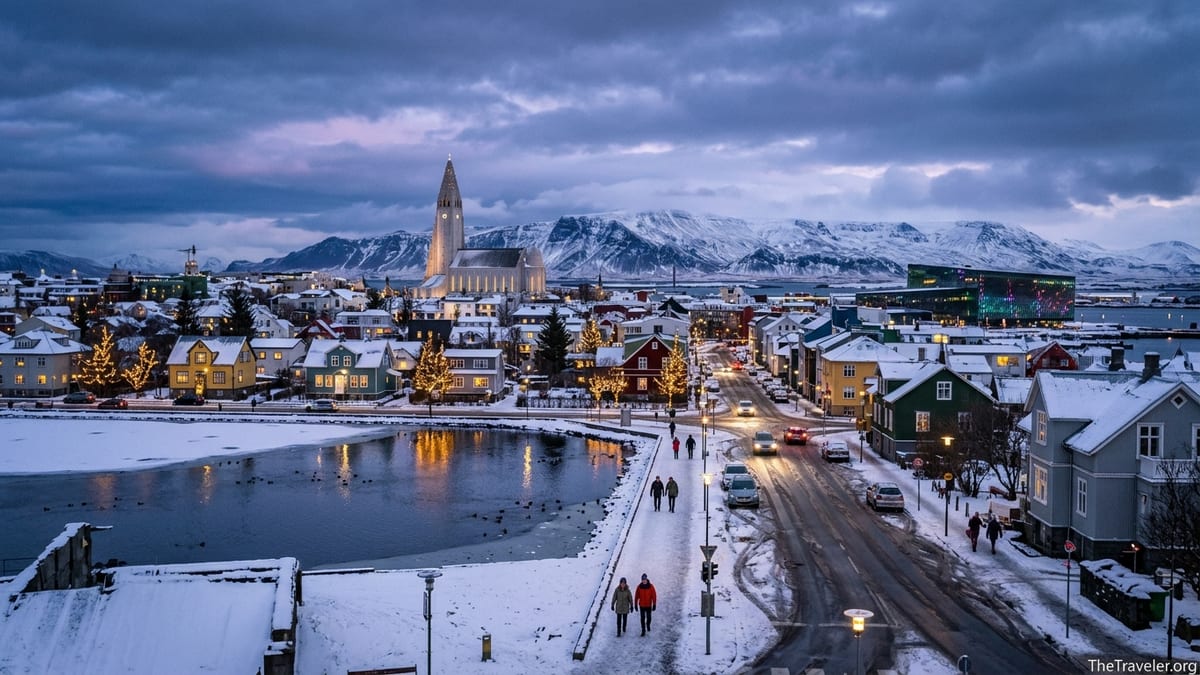
Winter in Reykjavik: What You Are Really Signing Up For
Reykjavik sits just south of the Arctic Circle and has a subpolar oceanic climate moderated by the Atlantic, which means winters are relatively mild for the latitude but still cold, wet and changeable. Long-term climate normals for the city show average highs close to 4 to 5 degrees Celsius in November, dropping to around 3 degrees in December and January, then inching back up through February and March. Average lows hover a little below freezing for much of this period. Snow is common but often alternates with rain, sleet and thaw, so you should expect slush and ice underfoot rather than a guaranteed postcard blanket of snow.
Precipitation is frequent in winter, with many days bringing some combination of drizzle, showers, sleet or snow. Strong winds are a defining feature and can make temperatures feel significantly colder than the thermometer suggests. Storm systems occasionally bring very high gusts that halt buses, close mountain passes and, at times, temporarily affect access to and from Keflavik Airport. When planning, think in terms of changeable North Atlantic weather rather than deep, stable Arctic cold.
Daylight is the other major factor. Around the December solstice, Reykjavik has roughly four hours of true daylight, with sunrise close to 11:20 in the morning and sunset around 15:30. By contrast, in early November you may see about eight hours of daylight, and by mid-February the city enjoys roughly eight and a half to nine hours as sunrise shifts earlier than 10:00 and sunset moves past 17:30. Civil twilight on either side of sunrise and sunset adds soft usable light, but you should still expect very short sightseeing windows in late November, December and early January.
For many travelers this combination of darkness, weather and atmosphere is precisely the appeal. Fairy lights and candles give Reykjavik a cozy feel, hot pools are especially inviting, and the contrast between a dark afternoon sky and bright snow can be striking. The key is to arrive with realistic expectations and an itinerary that respects both the limited light and potential for disruption.
Month-by-Month: Temperatures, Daylight and What to Expect
From early November, winter patterns are usually setting in. Average daily highs sit around the mid-single digits Celsius, with nights close to or just below freezing. Daylight shrinks quickly through the month: early November might bring roughly eight hours from late morning to late afternoon, but by the end of the month you are approaching the four-to-five-hour days of midwinter. This is a shoulder period where you can still fit in a standard-length day trip with at least some light at both ends, but tours will adjust departure times to chase what daylight there is.
December and early January bring the shortest days. Between roughly 2 December and 10 January, day length in Reykjavik drops below five hours, and on or around 21–22 December you can expect just over four hours. The upside is that blue hour and twilight linger, and the city leans into festive lighting, especially in the weeks leading up to Christmas and over New Year. Temperatures usually hover close to freezing, and it is common to see a mix of snow, sleet and rain over the month rather than unbroken midwinter frost.
By February the light returns surprisingly quickly. Around mid-February, daylight has more than doubled from the December minimum to approximately eight and a half hours, with sunrise mid-morning and sunset around early evening. Temperatures are still wintry, with average highs of about 3 degrees and lows a couple of degrees below freezing, and storms can remain vigorous. This is often a good compromise month: long enough days to sightsee more comfortably, but still a strong Northern Lights season.
March often feels like a transition month. Daylight stretches well past 11 hours by late March and the sun suddenly has real strength, yet snow and ice are still entirely possible and the countryside can remain deeply wintry. Average highs nudge into the low single digits above freezing, and nights may continue to fall below zero. If you prefer more conventional daylight yet still hope for aurora and ice-related excursions, early to mid-March can work well, but it is not yet spring in the way many visitors might imagine.
Northern Lights Expectations from Reykjavik
The Northern Lights are a major reason many people consider Reykjavik in winter, but it is essential to treat the aurora as a bonus rather than a guarantee. Reykjavik has its own light pollution, and while you can occasionally see strong displays from within the city, especially along darker coastal stretches, your chances improve markedly once you leave the urban glow. Cloud cover is often the bigger limiting factor than aurora activity itself, and conditions can change quickly.
To improve the odds, most visitors join organized Northern Lights tours that depart from Reykjavik in the evening and head into the darker countryside. Operators monitor space weather forecasts, cloud cover and road conditions on the day and will typically cancel if the outlook is clearly poor or if driving would be unsafe. When tours run but no lights appear, many of the major companies currently offer a free or heavily discounted retry on another night in the same season rather than a cash refund. Recent checks of several large operators and resellers in autumn 2026 show common patterns such as one free rebooking if there is no sighting, unlimited retries until you do see the aurora, or a complimentary ticket to try again, but almost never a refund solely because the lights did not show.
Prices for Northern Lights tours from Reykjavik vary with group size and style. As of late 2026, typical shared-bus tours cluster in the region of the equivalent of 70 to 120 euros per person, with smaller-group minibus or super-jeep options often higher. Boat-based aurora outings from Reykjavik’s old harbor sit in a similar or slightly higher range depending on inclusions. Because terms and prices change, you should always check the latest cancellation and rebooking policies directly with the operator before booking and treat any current examples as illustrative rather than guaranteed for your own trip.
If you rent a car, self-driving out of the city to darker spots is possible on clear, calm nights, but winter roads demand caution. Remember that storms, ice and sudden whiteouts are not uncommon even near Reykjavik, and that local tour guides are used to judging whether a particular night is worth attempting. For many visitors, especially those without extensive winter driving experience, letting a reputable operator handle navigation and conditions remains the safer choice.
What Is Open and How Winter Changes Travel Options
Reykjavik itself is a year-round city and does not shut down for winter. Museums, galleries, swimming pools, geothermal spas, restaurants, cafés and most shops continue operating in the colder months, though some may shorten daily opening hours, particularly outside the peak holiday period. The city’s beloved outdoor pools remain central to local life regardless of weather, their warm geothermal water and steam contrasting with frosty air and snow.
Seasonal change is more pronounced in the countryside. Popular day-trip destinations on the Golden Circle, such as Þingvellir National Park, the Geysir geothermal area and Gullfoss waterfall, are accessible throughout winter via main roads, subject to temporary closures during storms. Official climate and infrastructure information stresses that main highways are maintained and cleared on a priority basis, while mountain routes and highland tracks, classified as F-roads, generally close for the winter season and do not reopen until late spring or summer. When highland or mountain access is needed for a tour, operators switch to super-jeep or modified vehicles and run only when conditions allow.
Along the South Coast and on the Snæfellsnes Peninsula, winter tours still operate from Reykjavik to waterfalls, black sand beaches and coastal viewpoints. However, itineraries may be adjusted on the day in response to wind warnings, heavy seas or icy conditions at specific sites. Official road authority updates and park advisories are the reference point for whether a given stretch is considered safe to open, and operators are accustomed to redesigning routes or cancelling outright when necessary. When you read marketing descriptions, keep in mind that every winter season brings slightly different road patterns and that safety-based decisions may override the advertised plan.
In practical terms this means that a Reykjavik-based winter itinerary can still include the key classic sights, but you should build flexibility into your schedule. It is wise to avoid stacking your most ambitious day trip on your arrival or departure day and to accept that a minority of visitors will experience last-minute cancellations or rerouting due to weather. Booking with companies that communicate clearly about contingency plans will reduce frustration if conditions do shift.
Packing and Preparation: Staying Warm, Dry and Safe
Successful winter trips to Reykjavik are as much about clothing choices as itinerary planning. Locals often repeat the saying that there is no bad weather, only the wrong clothing. For city walking and day trips, think in terms of layers rather than a single heavy coat. A moisture-wicking base layer, a warm insulating mid-layer such as a fleece or wool sweater, and a windproof, waterproof outer shell will serve you better than cotton garments that stay damp. Temperatures near freezing can feel raw when combined with strong wind and wet snow, so effective wind resistance is important.
Footwear deserves special attention. In Reykjavik you will frequently encounter icy pavements, compacted snow and slush, especially after thaw-freeze cycles. Sturdy, insulated boots with good ankle support and a grippy, non-smooth sole are more useful than fashion shoes or simple trainers, even in the city. Many visitors also bring removable ice cleats or traction devices that can be strapped over boots when sidewalks and viewpoints are especially slick; these are not mandatory but provide added confidence. Indoors, buildings are well heated, so you will appreciate socks and base layers that are easy to remove if you become too warm.
Other essentials include a warm hat, scarf or neck gaiter, and gloves that are both insulating and, ideally, at least somewhat water resistant. Because Iceland’s winds can be strong and gusty, conventional umbrellas are often more trouble than they are worth; they tend to invert or break quickly, and many locals simply rely on hoods and waterproof shells instead. For electronics, note that Iceland uses standard European-style plugs with 230-volt current, so most visitors from North America and other non-European regions will need a suitable plug adapter for chargers and devices.
Finally, consider how you will manage darkness and reflections. A small headlamp or flashlight is useful in rural car parks, on uneven paths or if you are out before sunrise and after sunset. Sunglasses can still be valuable on clear days, especially when low winter sun reflects off snow or wet roads. By putting thought into these small details, you will be far more comfortable on both bright and stormy days.
Getting Around Safely in Reykjavik Winter Conditions
Within Reykjavik, much sightseeing is done on foot, and city pavements are not always completely clear of ice. Walk slowly, take smaller steps and test potentially slick surfaces before putting your full weight down. Many locals adopt a slight bend in the knees and keep hands free rather than buried deep in pockets, so they can balance if they slip. Major pedestrian routes in the center are usually gritted or cleared, but residential streets and side alleys can remain polished and slippery after freeze-thaw cycles.
Public transport in Reykjavik consists mainly of buses, which run throughout winter but can see delays or temporary suspensions during the most severe storms. It is sensible to allow extra time if you have a fixed-time connection or tour pickup. For airport transfers between Keflavik and Reykjavik, shuttle buses and flybuses typically operate year-round, but heavy weather can slow journeys or lead to schedule changes. When planning flights, especially in midwinter, building a buffer between your international arrival or departure and any long day trips will reduce stress if road conditions deteriorate.
Many visitors choose not to rent a car in winter, instead relying on city buses and organized excursions with hotel or central pick-up points. This is a reasonable strategy if you are unfamiliar with driving on snow and ice. Winter guidance from Iceland’s transport and tourism authorities emphasizes that conditions can be challenging even close to Reykjavik, and that high winds and blowing snow can rapidly reduce visibility. If you do choose to self-drive, opt for a vehicle with appropriate winter tires, keep a close eye on real-time road and weather updates, and be prepared to change plans on short notice.
For Northern Lights and more remote winter excursions, trusting a reputable tour company is often the safer choice. Guides are experienced at reading conditions, know where black ice forms and are used to adjusting routes. They also take responsibility for turning back or cancelling if the situation becomes unsafe, removing the pressure many travelers feel to push on to meet their own expectations.
Festive Atmosphere and Seasonal Events
Winter in Reykjavik is closely tied to its festive calendar. In late November and December, central streets and squares are illuminated with Christmas lights, and the city typically hosts seasonal markets, concerts and events. Exact dates and line-ups vary every year and are usually confirmed closer to the season, so you should consult current listings as your trip nears rather than relying on past schedules. Even without a specific market or show, the old harbor and downtown areas feel lively in the run-up to Christmas, with cafés and bars leaning into the cozy mood.
New Year’s Eve in Reykjavik is known for its atmosphere. Local tradition involves neighborhood bonfires and extensive private fireworks, leading to a dramatic display around midnight if weather allows. Organized tours often combine visits to bonfires with vantage points for the skyline. Because safety rules, event permits and public transport arrangements can change from year to year, treat any descriptions as indicative; you will want to verify what is confirmed for the specific winter you plan to visit, particularly if your trip revolves around a particular celebration.
Beyond the holidays, the winter months bring cultural events, exhibitions and performances that continue regardless of weather. Reykjavik’s concert halls, theaters and smaller venues operate on normal schedules, and museums often host special winter programming. Checking current event calendars a few weeks before arrival will help you make the most of long evenings, especially on days when outdoor conditions are less appealing.
It is also worth noting that accommodation prices often dip outside the main holiday peaks, especially in January and parts of February and March, though volatility is high and special events can push rates up. Compared with peak summer, you may find better value and more availability in winter, but it is wise to book early for stays over Christmas and New Year, when demand from both Icelanders and international visitors is strong.
Pros, Cons and Who Winter in Reykjavik Suits
Winter travel to Reykjavik offers clear advantages. Crowd levels at many attractions are lower than in peak summer, and you may have more space at popular viewpoints or in museums. Accommodation and some tour prices are often lower outside major holidays, though not universally. You gain access to activities that are strongly seasonal, such as natural ice caves in certain glaciers, snowmobiling on ice caps, and, of course, realistic chances to see the Northern Lights, which are not visible in the bright nights of summer.
On the other hand, winter demands flexibility and a tolerance for last-minute change. Limited daylight around the solstice constrains how much conventional sightseeing you can fit into a single day, particularly if you are relying on daylight for photography. High winds, storms and icy conditions can force tour cancellations or shorten itineraries, sometimes with little notice. Some remote roads and highland areas are simply not accessible until late spring, regardless of how determined you may be.
Winter Reykjavik suits travelers who enjoy atmosphere, are curious about weather and light, and are willing to build contingency into their plans. If you need every reservation to run exactly as booked, prefer hot, dry weather or would be deeply disappointed by a trip without Northern Lights, you may be happier visiting in shoulder seasons like late April, May, September or early October. If you are content with the possibility of changing course, value cozy interiors and geothermal pools as much as outdoor views, and see the aurora as a wonderful bonus rather than a guarantee, a winter visit can be memorable.
Families, solo travelers and couples can all enjoy the season with good preparation. The most important step is aligning your expectations with reality: short days, strong winds and possible disruption balanced against warm interiors, sparkling snow and the thrill of standing under a clear, starry Arctic sky.
Sample 3–4 Day Winter Itineraries from Reykjavik
Because winter conditions are variable, think of sample itineraries as frameworks rather than fixed checklists. On a three-day visit centered on Reykjavik, you might dedicate your first full day to the city itself: exploring the compact downtown on foot, visiting a museum or two, soaking in an outdoor pool and adjusting to the daylight pattern. After checking the forecast, you could join a Northern Lights tour that evening if skies look promising, or leave the attempt for a later night if cloud cover is heavy.
On the second day, many travelers opt for a Golden Circle excursion that includes Þingvellir, geysers and Gullfoss, either with a tour operator or, if suitably experienced, by self-driving on cleared main roads. With limited daylight in midwinter, tours will typically time departures to maximize the light at key stops, and some combine sightseeing with optional activities like snowmobiling, conditions permitting. Build in a quiet evening in Reykjavik afterward in case weather and road conditions make the day more tiring than expected.
A third day can remain deliberately flexible. Depending on the weather and your interests, you could take a South Coast tour to waterfalls and black sand beaches, ride out to the Snæfellsnes Peninsula if conditions allow, or stay within the capital area for additional museums, swimming pools or a geothermal spa. This is also a good backup slot for a Northern Lights attempt if earlier nights were cloudy or if your first tour offered a free retry.
With four days, you can stretch this pattern by adding an extra countryside day or leaving a larger buffer for rest and weather disruptions. The crucial principle is to avoid packing every hour and to treat your plan as adaptable. Build in at least one day that can shift focus if a storm arrives, keep departure days relatively light in case of transport delays, and remember that safety and flexibility matter far more than ticking items off a list. Approached this way, Reykjavik in winter becomes less a test of endurance and more an invitation to experience the North Atlantic season on its own terms.