


Rijeka is one of Croatia’s most underrated coastal cities. This working port on Kvarner Bay mixes Austro-Hungarian facades, gritty maritime charm, hillside castles and quick access to islands and elegant seaside resorts. With its own airport on nearby Krk Island, regular buses and ferries, Rijeka works well as a compact city break or as a base for exploring Opatija and Krk. This guide lays out practical 1, 2 and 3-day itineraries, with specific walking routes, food stops and real-world transport logistics to help you plan a smooth trip.
Get the latest updates straight to your inbox!
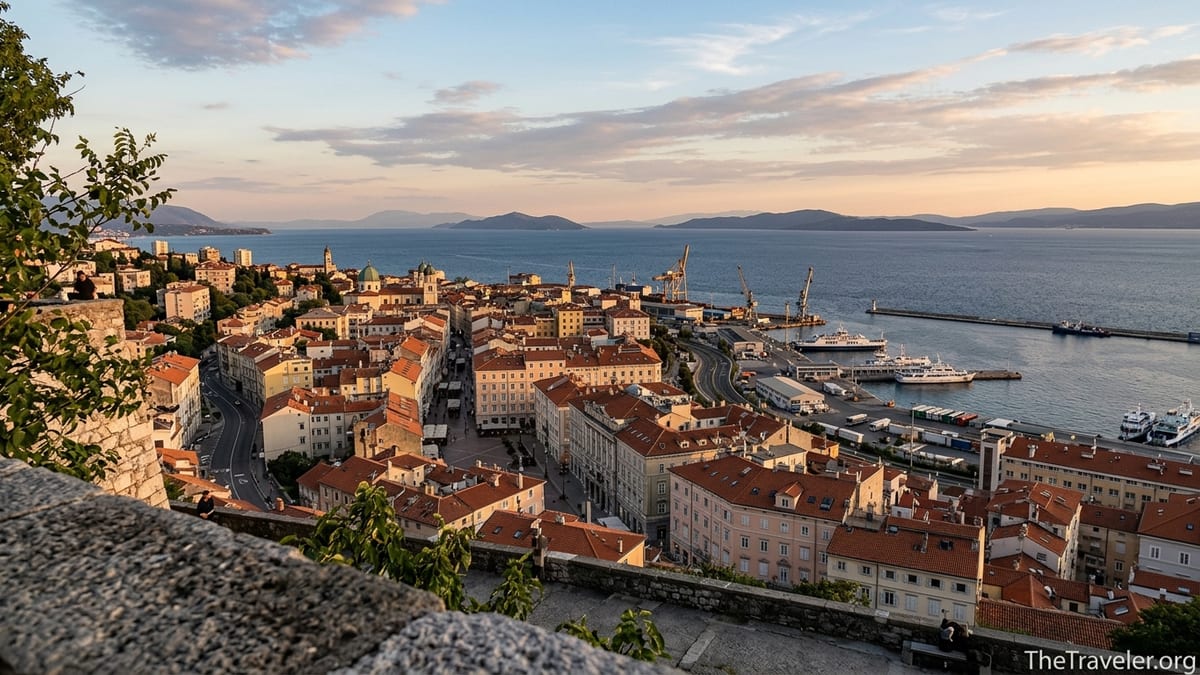
How Many Days in Rijeka and Where to Stay
If you only have one day, focus on Rijeka itself: Korzo, the Old Town, Trsat Castle and a short walk or tram-bus ride to one of the city beaches. A full day is enough to get a feel for the city’s layered history, sample Kvarner seafood and catch a sunset over the port. This is ideal if you are stopping over on the way between Istria and Dalmatia or arriving on an evening flight and flying out the next day.
With two days, you can add an easy half-day escape to the Opatija Riviera, about 12 to 25 minutes away by regional bus depending on the stop. This gives you both Rijeka’s urban energy and Opatija’s Belle Époque villas and seafront Lungomare promenade. You can still sleep in the same hotel in Rijeka and travel light with just a daypack.
Three days is perfect if you want to include Krk Island. Thanks to the Krk Bridge and Rijeka Airport being on the island itself, you can combine a Rijeka city break with a beach or village stop such as Omišalj, Malinska or Krk Town. Expect about 45 to 60 minutes by car or bus from central Rijeka to Krk Town, a little less to Omišalj. In three days you will have time for relaxed coffee breaks, a slower museum visit and a swim most afternoons in summer.
For accommodation, many visitors choose to stay close to Korzo or the port so they can walk everywhere. Midrange hotels and guesthouses often sit on streets like Užarska or near the main Jelačićev trg square, with double rooms typically starting from around 80 to 120 euros per night in high season. Budget travelers might look at private rooms and apartments in the residential streets uphill from the center, where you can often find simpler places from roughly 50 to 70 euros per night if you book early.
Day 1: Korzo, Old Town, Trsat Castle and City Beaches
Start your first morning on Korzo, Rijeka’s central pedestrian promenade. Order a macchiato or bijela kava at a café terrace such as Cukarikafe or Filodrammatica and watch locals strolling to work. Prices are usually modest by European standards, with a coffee on Korzo often around 1.50 to 2.50 euros depending on style. While you sip, look up at the pastel facades and the City Clock Tower topped by the double-headed eagle, a reminder of Rijeka’s Habsburg past.
From Korzo, duck into the Old Town lanes behind the tower. Within a few minutes’ walk you can visit the Cathedral of St. Vitus, peek into the city tunnels built as air shelters, and wander via Užarska and Koblerov trg square to the market. The covered fish hall is a highlight, with tiled interiors and stalls piled with local catch like Kvarner scampi, sardines and squid. Nearby produce vendors sell figs, peaches and tomatoes in summer, perfect for a snack or picnic lunch.
Late morning, head uphill to Trsat. Fit hikers can climb the Petar Kružić staircase from the city level, a historic pilgrimage route that takes roughly 20 to 30 minutes of steady steps. If you prefer wheels, use city bus line 2 from the center to Trsat; buses normally run throughout the day and tickets are inexpensive, often under 2 euros bought from a kiosk or driver. At the top, visit Trsat Castle, where ramparts overlook the entire Kvarner Bay and port cranes below. There is usually a café inside the walls, making it a good spot for a light lunch of sandwiches or a simple pasta while enjoying the view.
In the late afternoon, cool off at the sea. East of the center, the Pećine neighborhood offers small coves like Sablićevo, reachable in about 10 to 20 minutes by local bus or taxi from Korzo. West of town, Kantrida beach, near the stadium of the same name, has concrete terraces, a bit of sand and a casual beach bar or grill. Expect to pay a few euros for a lounger if available, or simply bring a towel and settle on the rocks as many locals do. End the day back in the center with dinner at a konoba or bistro that serves black risotto, grilled fish or ćevapi, paired with a glass of local white like Žlahtina from Krk.
Day 2: Opatija Riviera Excursion and Rijeka by Night
On your second day, dedicate most of your time to Opatija, one of Croatia’s classic seaside resorts. From Rijeka’s main bus station, regional buses and local line 32 run frequently towards Opatija and beyond along the coast. Typical journey times are about 20 to 30 minutes depending on the exact stop, and single tickets often cost in the range of 2 to 5 euros. Sit on the right-hand side for sweeping views over the Kvarner Gulf as the road curves above the water.
Once in Opatija, make your way down to the Lungomare promenade, a seaside path running for roughly 10 kilometers through several resort towns. Even if you only walk the central stretch from Opatija’s Slatina beach towards the neighboring town of Ičići, you will pass grand Austro-Hungarian villas turned into hotels, landscaped parks with palms and camellias, and many small bathing spots. Cafés near Slatina or in front of Hotel Kvarner are convenient for a morning pastry and espresso, with prices a little higher than Rijeka but still similar to other Croatian resort towns.
For lunch, Opatija offers plenty of terrace restaurants facing the sea. You might try grilled sea bass, scampi buzara or a risotto dish, with main courses usually starting from around 15 euros in midrange places. If you prefer a picnic, pick up bakery goods and fruit near the bus stop before heading down, and find a shaded bench along the Lungomare. In summer, you can easily swim at several coves, so bring swimwear and sandals suitable for pebbly beaches and stone entries.
Return to Rijeka by late afternoon or early evening. Use the time before dinner for a museum stop, such as the Maritime and History Museum in the Governor’s Palace, or a craft beer at one of the bars on or just off Korzo. After dark, Korzo and adjacent streets grow livelier, with locals meeting for drinks and occasional open-air events in warmer months. If you are in town on a weekend in summer, check for concerts or festivals that sometimes take place at Trsat Castle or on city squares, and adjust your evening around a show followed by a late dinner near the port.
Day 3: Island of Krk, Coastal Villages and Slow Evenings
On a third day based in Rijeka, Krk Island makes a logical excursion. Thanks to the Krk Bridge, buses and cars can reach the island in roughly 30 to 60 minutes from the mainland depending on the destination. Regional buses leave from Rijeka’s main station toward towns such as Omišalj, Malinska and Krk Town. Timetables vary by season, but in summer there are generally several daytime departures. Tickets depend on distance yet are commonly under 10 euros each way for nearby towns.
If you are looking for a relaxed day with minimal transfers, consider heading to Omišalj or Malinska, both within relatively short bus rides once you cross the bridge. Omišalj, near Rijeka Airport, has a historic hilltop core and paths down to rocky and pebbly bays. Malinska offers a more resort-like feel with a small waterfront, pine-backed promenades and easy access to swimming spots. Many visitors choose to have a leisurely lunch at a konoba along the waterfront where grilled calamari or ćevapi plates may be in the 12 to 18 euro range, then spend the afternoon alternating between shade and sea.
If you prefer a slightly larger town atmosphere, travel on to Krk Town on the island’s south side. The walled old town has narrow alleys, a cathedral and a harbor lined with excursion boats. You can stroll the promenade, have ice cream at a gelateria and swim from nearby beaches that start just a short walk from the center. Boat tours to surrounding coves and neighboring islets are widely sold in the harbor during high season, with half-day trips often priced from around 30 to 40 euros per person, though exact rates depend on route and inclusions.
Return to Rijeka in the late afternoon or early evening. If you still have energy, take a final sunset walk around the port area or back up to a mid-level viewpoint. For your last dinner, consider a restaurant that highlights Kvarner scampi, which the region is known for, or try a plate of pasta with truffles from nearby Istria paired with local wine. This is also a good night to stock up on souvenirs such as local olive oil, honey or a bottle of Žlahtina to bring home.
Food and Drink: Where and What to Try
Rijeka’s food scene reflects its port heritage and the broader Kvarner region. Around Korzo and the market, you will find a mix of traditional konobas, modern bistros and simple bakeries. For breakfast, many locals grab burek, a savory pastry filled with cheese or meat, often costing just a few euros from a pekara, along with a yogurt drink or coffee. As you wander the Old Town, look out for small places serving marenda, the local version of a simple late-morning worker’s lunch that might be a daily stew or grilled dish at a good-value price.
Seafood is a highlight. Restaurants near the market and along the waterfront often feature daily catch on blackboards, with options like grilled sardines, sea bream, squid and cuttlefish risotto. Prices for main courses in midrange restaurants generally range from about 12 to 25 euros, higher for larger fish sold by weight. A typical meal might include a shared starter of local pršut and cheese, a seafood main, a side of blitva with potatoes and a glass of local white wine, coming to roughly 25 to 35 euros per person before tip.
For casual bites during your itineraries, use bakeries and street-level bars. Between Korzo and the port there are several pastry shops where you can pick up kremšnite, fruit tarts or gelato in summer, usually under 3 euros. In Opatija, cafés along the promenade serve cakes and coffee with sea views at slightly higher prices, but still reasonable compared with Western European resort towns. On Krk Island, waterfront bars in Malinska or Krk Town often advertise simple grilled dishes and cocktails, with a beer commonly around 4 to 5 euros in peak season.
When it comes to drinks, try local varieties. Žlahtina is a fresh, light white wine produced on Krk, often available by the glass in both Rijeka and on the island. You can also sample Croatian craft beers in bars near the center, and order a shot of travarica or other herbal rakija after dinner if you enjoy stronger spirits. Tap water is generally safe to drink, so you can refill bottles in your accommodation and avoid buying plastic bottles for every outing.
Practical Transport: Airport, Ferries and Getting Around
Rijeka’s airport carries the city’s name but sits on the island of Krk, near the town of Omišalj, roughly 25 kilometers from central Rijeka. Shared shuttle buses usually operate in coordination with scheduled flights, driving between the terminal and Rijeka’s Jelačićev trg in the center, with stops on Krk along the way. Timetables and prices are typically published seasonally by the airport operator. As of mid-2025, one-way shuttle prices to Rijeka are commonly in the range of 10 to 15 euros per person. Tickets are generally bought directly from the driver, and advance reservation may be requested for certain departures, especially in the shoulder seasons.
If your flight arrives late at night or outside shuttle times, you may need a taxi or app-based ride. Travelers report that app rides such as Bolt from Rijeka center to the airport can be around 30 to 40 euros, depending on time and demand, which is cost-effective if you share with two or three people. From the airport to closer towns on Krk, such as Omišalj or Malinska, local taxis often quote lower flat fares, but it is still wise to ask for an estimate before getting in. Renting a car at the airport can also make sense if you plan to explore Krk and nearby islands in depth.
Within Rijeka, the local bus network run by Autotrolej connects the center with suburbs, beaches and Trsat. Buses typically run from early morning to late evening, with reduced service at night. You can usually buy tickets at kiosks near bus stops or directly from the driver, with a small price difference depending on where you purchase. For most visitors, a single-zone ticket is enough for trips from the center to Trsat, Pećine or Kantrida. Walking distances in the historic center are short, so you will mainly use the bus for hills and more distant beaches.
For regional travel, buses link Rijeka with Opatija, Krk Island, Istrian towns and the rest of Croatia. Companies such as Arriva run multiple daily services between Rijeka and Opatija, with travel times around 20 to 30 minutes each way. Buses to Krk Island cross the Krk Bridge and continue to towns like Omišalj, Malinska and Krk Town, often in under an hour. If you are heading onward to islands like Cres or Rab, a common route is to bus from Rijeka to the ferry port of Valbiska on Krk, then board a Jadrolinija car ferry toward Merag on Cres or Lopar on Rab. These short crossings operate several times a day in summer, but check the latest seasonal timetable a few weeks before your trip.
Sample 1, 2 and 3-Day Routes at a Glance
For a compact 1-day visit, start your morning on Korzo with coffee and a slow walk past the City Clock Tower, then weave into the Old Town to see St. Vitus Cathedral, the tunnels and the market. Have an early lunch either at a konoba near the market or with a quick snack bought from stalls. Early afternoon, take bus 2 or walk up the Petar Kružić steps to Trsat Castle for wide views over the bay. Return to sea level by mid-afternoon and spend a couple of hours swimming at Sablićevo or Kantrida beach before drying off and heading back into the center for dinner and drinks.
On a 2-day stay, repeat the first day as above, then devote the second to Opatija. After breakfast in Rijeka, catch a mid-morning bus to Opatija’s main station, walk down to the Lungomare and wander in the direction that appeals, stopping when a beach or café tempts you. Swim and sunbathe in the early afternoon, then enjoy a terrace lunch or ice cream. In late afternoon, either continue walking along the coast toward Ičići and Lovran or head back to Opatija for a short stroll through its parks before catching an evening bus back to Rijeka for a casual dinner.
For a 3-day itinerary, use days one and two as described, and add Krk on day three. Take a morning bus from Rijeka bus station over the Krk Bridge to either Omišalj, Malinska or Krk Town. Spend the day exploring the old town streets, promenades and beaches, taking breaks in waterfront cafés. If times and budget allow, you might add a short boat trip from Krk Town to nearby coves. Return to Rijeka by early evening, leaving a buffer in case of traffic or delays, especially if you are flying out the next morning. End your final night with dinner near the port, perhaps trying Kvarner scampi if you have not yet done so.
Throughout these itineraries, keep seasonality in mind. In high summer, the middle of the day can be very hot on city streets and beaches, so many travelers follow a pattern of sightseeing in the morning, a long lunch break or siesta in the early afternoon, and then more outdoor activity from about 4 pm onward. In shoulder seasons like May, June, September and October, temperatures are milder, but some beach facilities, boat tours or seasonal shuttle services may run less frequently, so it pays to confirm opening times and timetables close to your travel dates.
The Takeaway
Rijeka rewards travelers who like real, lived-in cities as much as classic postcard views. In just one day you can walk historic Korzo, climb to Trsat Castle and swim at an urban beach. Two days let you add the elegance of Opatija’s villas and promenades, while three days open the door to Krk Island’s stone towns and coves. With an airport on Krk, regular buses and regional ferries, logistics are straightforward as long as you pay attention to seasonal schedules and give yourself some cushion when connecting flights or boats.
By choosing accommodation near Korzo, using local bakeries and markets, and mixing restaurant meals with simple snacks, you can keep costs reasonable without missing key experiences. Whether you come for coffee culture, maritime history, or days split between castles and coves, Rijeka and its surroundings make a flexible base that fits neatly into a broader Croatia itinerary or stands comfortably on its own for a long weekend.
FAQ
Q1. Is one day in Rijeka enough to see the main sights?
One full day is enough for Korzo, the Old Town, Trsat Castle and a quick beach stop, but you will need two or three days to add Opatija or Krk Island.
Q2. How do I get from Rijeka Airport to the city center?
Rijeka Airport on Krk Island is linked to the center by seasonal shuttle buses timed to flights, and by taxis or ride-hailing services that usually cost around 30 to 40 euros for the 25-kilometer trip.
Q3. Do I need a car to visit Opatija and Krk from Rijeka?
No. Frequent regional buses connect Rijeka with Opatija and with several towns on Krk Island, although a car offers more flexibility if you want to explore smaller villages and remote beaches.
Q4. When is the best time of year to visit Rijeka?
Late spring and early autumn are ideal, with warm weather for swimming, fewer crowds and more comfortable temperatures for walking uphill to Trsat or along the Opatija promenade.
Q5. Are beaches in and around Rijeka sandy or rocky?
Most beaches in Rijeka, Opatija and Krk are pebbly or have concrete terraces with ladders into clear water, so swimming shoes or sandals are helpful, especially for sensitive feet.
Q6. Can I swim in Rijeka’s city beaches if I only have a few hours?
Yes. Beaches such as Sablićevo in Pećine or Kantrida to the west are close enough to reach by short bus or taxi ride, making them easy for a quick dip between sightseeing stops.
Q7. Is Rijeka expensive compared with other Croatian coastal cities?
Rijeka is generally a bit cheaper than the most popular Dalmatian destinations for accommodation and food, though prices rise in July and August, especially in nearby Opatija and Krk.
Q8. How early should I check bus and ferry schedules for Krk and other islands?
Check a few weeks before traveling, then again a few days before departure, as regional bus and ferry companies sometimes adjust summer and shoulder-season timetables.
Q9. Is Rijeka a good base for exploring other parts of Kvarner Bay?
Yes. Regular buses and ferries make it practical to use Rijeka as a hub for day trips to Opatija, Krk, Cres, Rab and inland spots like Učka Nature Park or Kastav.
Q10. Do locals in Rijeka speak English?
Many people working in hospitality, transport and shops speak at least basic English, especially in the center and tourist areas, so everyday travel tasks are usually straightforward.