


More news on this day
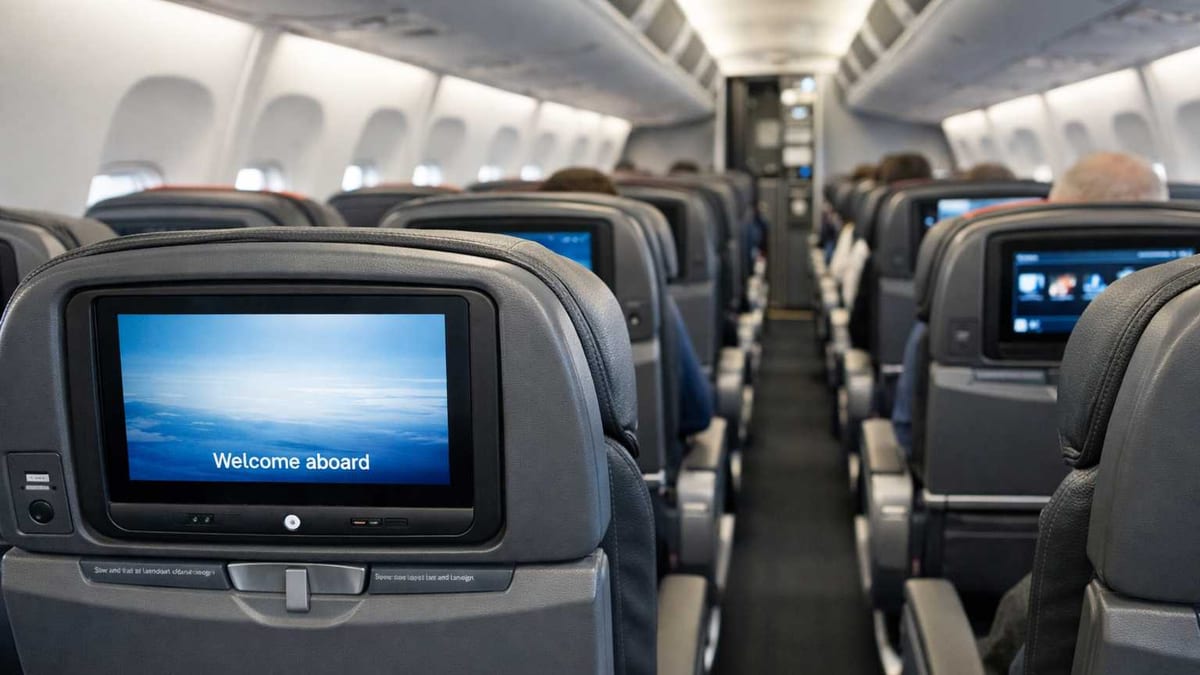
American Airlines is pivoting on one of its most visible onboard decisions, moving to install modern seatback entertainment screens on new long-haul and premium narrowbody aircraft after years of betting that passengers would prefer to stream content on their own devices.
Get the latest news straight to your inbox!
From Personal Devices Back to Built-In Screens
For much of the past decade, American Airlines positioned in flight entertainment around passengers’ own phones, tablets and laptops, removing traditional seatback screens from most domestic narrowbody jets. Industry coverage at the time noted that the airline argued personal devices were already in travelers’ hands, while built-in systems were heavy and expensive to maintain.
Today, publicly available information on American’s fleet plans shows a clear turn in the opposite direction. The airline’s latest cabin announcements describe new 4K seatback screens in the main cabin of upcoming Boeing 787-9 and Airbus A321XLR aircraft, paired with Bluetooth audio and universal power at every seat. The change signals that, for longer and more premium flights, the carrier now sees value in offering an integrated screen alongside streaming options.
The shift also comes as many competitors in North America and abroad have doubled down on embedded entertainment, promoting seatback screens as a differentiator on busy domestic routes and long haul services. American’s move narrows the product gap that had emerged as rivals invested heavily in both free connectivity and high-definition displays.
New Long-Haul Cabins Lead the Reversal
American’s latest generation of Boeing 787-9 aircraft is at the center of the new strategy. Company fact sheets and earnings call transcripts describe a reconfigured long haul cabin that introduces the Flagship Suite brand in premium cabins and new seating throughout the aircraft. In main cabin, travelers are being promised large 4K seatback displays, updated user interfaces and expanded charging options.
Similar upgrades are planned for the carrier’s Boeing 777-300 fleet, which is being refitted with a denser business class and refreshed seating in other cabins. Published materials outlining the retrofit program indicate that the airline intends to align the entertainment hardware on refitted 777-300s with the technology arriving on new 787-9 jets, creating a more consistent long haul experience with screens at every seat.
At the same time, American continues to emphasize high speed satellite connectivity across its international widebody fleet, presenting the new screens as a complement rather than a substitute for streaming. The combination of embedded systems for movies, television and interactive maps with fast onboard Wi-Fi is designed to appeal both to travelers who want a turnkey option and those who prefer to use their own devices.
A321XLRs Bring Screens Back to Narrowbodies
The reversal is especially notable on the narrowbody side, where American had removed seatback entertainment from most aircraft that serve domestic and short haul international routes. Industry reporting and manufacturer briefings now show that the airline’s incoming Airbus A321XLRs, which began joining the fleet in 2025, feature individual screens in all cabins.
These long range narrowbodies are slated for premium transcontinental routes and select transatlantic services, effectively replacing the aging A321T subfleet that previously offered lie flat seats and built in entertainment. Cabin descriptions for the A321XLR emphasize a new Flagship Suite product in the forward cabin and seatback screens paired with power outlets in main cabin, reversing the airline’s prior design choice on single aisle jets.
American has also highlighted the role of these aircraft in opening thinner long haul markets that do not justify a widebody, making onboard product decisions more visible to travelers comparing options across airlines. By including seatback screens on the A321XLR, the carrier is positioning the aircraft as a long haul experience despite its single aisle layout.
Competitive Pressure and Passenger Expectations
Analysts following the U.S. airline sector have framed American’s new entertainment investments in the context of rising competition from other large network carriers. In recent years, rivals have publicized plans for free high speed Wi-Fi, upgraded cabins and seatback televisions across much of their mainline fleets, using cabin comfort as a marketing tool on top of schedule and loyalty program advantages.
Passenger feedback visible in public forums has often been critical of American’s earlier decision to strip out seatback systems, particularly on longer domestic segments where personal devices can run low on battery or feel less comfortable to use for hours at a time. Reintroducing screens on key aircraft types may help the airline respond to those expectations while still managing costs on shorter routes.
The decision also reflects how technology has evolved since American first moved away from embedded entertainment. Newer systems are lighter, more energy efficient and capable of 4K resolution, while integration with Bluetooth and standard charging ports reduces clutter and makes it easier for passengers to pair their own headphones and keep devices powered.
What It Means for Travelers in the Coming Years
For travelers, the most noticeable changes will unfold gradually as newly delivered aircraft enter service and retrofits progress. Widebody customers on select international routes are already beginning to see cabins equipped with the latest screens and seat designs, while more 787-9 and reconfigured 777-300 aircraft are expected to roll out over the next several years.
On the narrowbody side, the arrival of additional Airbus A321XLRs will expand the pool of single aisle flights offering the new entertainment standard. Schedules and fleet assignment data indicate that these aircraft will be concentrated on longer domestic and transatlantic routes, so the return of seatback screens will initially be most apparent to travelers on those services.
American’s remaining domestic narrowbody fleet, which relies heavily on streaming to personal devices, is not slated for an immediate, systemwide installation of seatback screens based on existing public information. Instead, the airline appears to be targeting aircraft where flight length, fare levels and competitive dynamics make integrated systems most valuable, effectively reversing its earlier all-in bet against seatback entertainment without committing to a full fleet retrofit.