


Reykjavik is one of Europe’s easiest capitals to use as a hub for nature outings. Within a long day’s reach you can loop the Golden Circle, chase waterfalls along the South Coast, walk new lava on the Reykjanes Peninsula, soak in hot rivers, or cross the photogenic Snæfellsnes Peninsula, all without changing hotels. A dense network of bus tours, small group excursions and car rentals means you can choose between handing the wheel to a guide or plotting a self-drive adventure that returns to Reykjavik by evening.
Get the latest updates straight to your inbox!
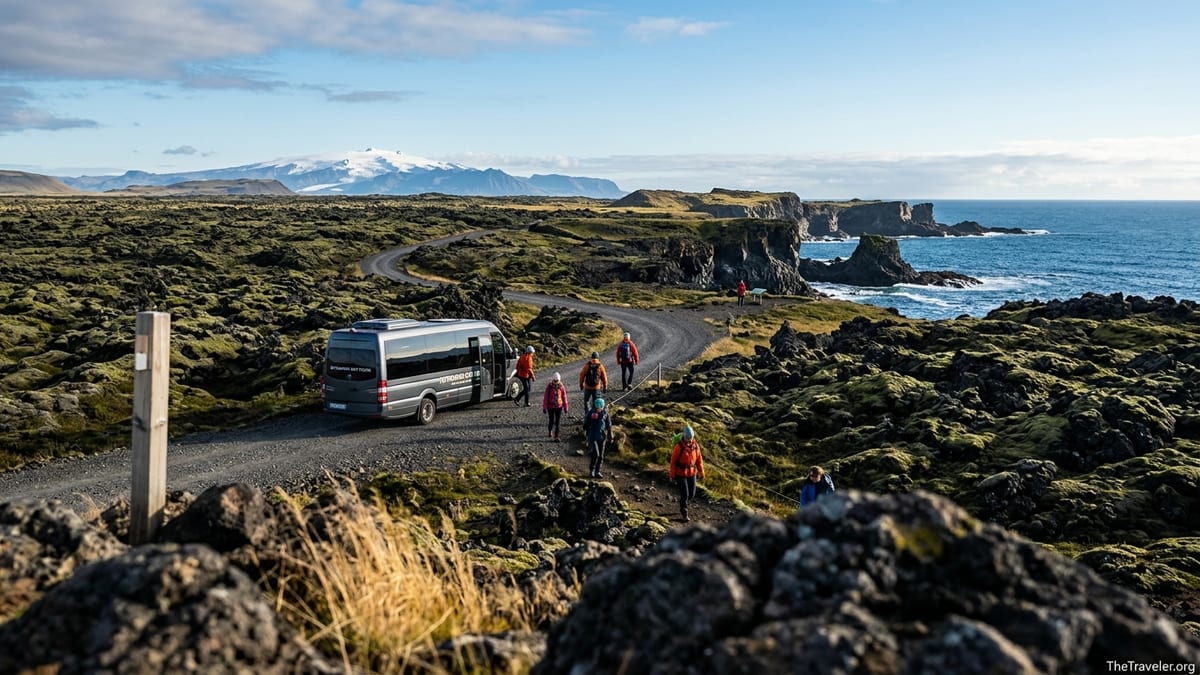
How Reykjavik Works as a Day Trip Hub
Reykjavik sits close to Iceland’s main ring road and the spokes that lead to its most famous sights, which is why many visitors now use the city as a single base. From the central hotel districts, most day tours offer pick up at nearby bus stops and return you in time for dinner, typically running between 7 and 12 hours depending on distance. Rental cars can be collected at city depots or at Keflavik Airport, about 45 minutes away by road.
Tour choice is strongest on the best known routes. The Golden Circle, the western South Coast as far as the village of Vík, Reykjanes Peninsula with the Blue Lagoon, and whale watching from Reykjavik’s Old Harbour all have year round departures, though winter schedules slim down slightly. Longer or more remote trips, such as the far South Coast to the glacier lagoons or highland routes on F roads, are usually offered as summer or multi day packages instead of simple day trips.
For a first visit, this means you can focus on matching each route to your energy level, budget and risk tolerance rather than worrying about logistics. The sections below outline what each major option from Reykjavik involves in terms of landscapes, driving time, tour content and seasonal caveats, along with some representative 2026 prices checked in late 2026.
The Golden Circle: Iceland’s Classic Loop
The Golden Circle is the most famous day trip from Reykjavik and one of the most straightforward. The route forms a loop of about 300 kilometres from the capital into the southern uplands and back, usually following good paved roads. Almost every itinerary includes three headline stops: Þingvellir National Park, where the North American and Eurasian tectonic plates meet at a visible rift valley; the Geysir geothermal area, whose active geyser Strokkur erupts regularly; and the tiered waterfall of Gullfoss, which plunges into a rugged canyon.
Most current Golden Circle tours also add one or two secondary stops to break up the drive. Kerið crater, a vivid volcanic caldera lake, appears on many 2026 small group itineraries, often with a modest additional entrance fee paid on site. Some operators combine the loop with a visit to a greenhouse farm, a horse farm, or a soak in a smaller countryside spa such as the Secret Lagoon or newly branded hot springs, which can extend the day by an hour or two but change its feel from sightseeing to mixed relaxation.
In practical terms, big coach Golden Circle tours in 2026 generally cost from about 13,000 Icelandic krónur per adult and run 7 to 8 hours, with departures around 8:00 to 9:00 in the morning. Small group versions, using minibuses with roughly 15 to 19 passengers, tend to start closer to 15,000 to 20,000 krónur depending on inclusions. Prices checked in autumn 2026 typically cover transport and guiding, but not lunch, snacks or optional spa admission. Pick ups are usually scheduled 30 minutes before departure from designated bus stops in central Reykjavik.
The Golden Circle’s advantages are its variety over relatively short distances and its year round accessibility. Roads are well maintained, and snow clearing is a priority, so both guided tours and cautious self drives are feasible in most seasons. The main drawback is that this convenience attracts crowds. In peak summer and on busy winter days, the key viewpoints and car parks can feel heavily touristic, and first time drivers may find the mix of tour coaches and rental cars stressful. If you value iconic sights and efficient use of time, the Golden Circle is usually the best single day choice. If you prefer quieter spaces, you may enjoy the South Coast or Snæfellsnes more.
South Coast to Vík: Waterfalls, Black Sand and Big Weather
The South Coast from Reykjavik to around the village of Vík delivers some of Iceland’s most dramatic scenery in a single long day: towering waterfalls, glacier capped volcanoes and the Atlantic pounding black sand beaches. The usual sightseeing arc follows Route 1 east from Reykjavik, with headline stops at Seljalandsfoss waterfall, where a path allows you to walk behind the falling water in suitable conditions; Skógafoss, a powerful curtain of water with a staircase to a cliff top view; and the black sand coastline near Vík, including the basalt stacks and caves by Reynisfjara beach and the Dyrhólaey headland when access is open.
Most South Coast day tours in 2026 advertise a duration of 10 to 11 hours. A common schedule leaves Reykjavik around 8:00 in the morning, reaches Seljalandsfoss after roughly 1 hour 45 minutes of driving, then continues to Skógafoss, detours to a nearby glacier tongue such as Sólheimajökull for a short walk or optional guided glacier hike, and aims to spend midday around Reynisfjara and Vík before returning to the city early evening. In summer, some itineraries extend slightly further east or lengthen stops. In winter, reputable operators are careful to respect limited daylight, adjusting departure times or trimming the farthest stops.
Conditions along the South Coast deserve particular respect. The main road is plowed and heavily used, but strong crosswinds, black ice and blowing snow are common in the darker months. The sea at Reynisfjara is hazardous year round due to powerful sneaker waves and shifting currents, which is why recent safety campaigns and on site warning lights tell visitors to stay well back from the surf. Glacier surfaces and crevasses are another environment that must be left entirely to trained guides with proper safety gear; self guided glacier walks are not recommended.
Representative 2026 prices for a South Coast day tour from Reykjavik range from around 16,000 to 22,000 krónur per adult for a standard coach or small group bus including the waterfalls and beaches. Tours that add a guided glacier walk, ice climbing or other specialist activity can exceed 30,000 krónur once equipment and guiding are included. These prices usually cover all road transport and a professional guide; food, drinks and rental of extra waterproof clothing or crampons are almost always extra. If you are visiting in mid winter and lack snow and ice driving experience, a guided South Coast day is a safer and less stressful choice than self drive.
Reykjanes Peninsula and the Blue Lagoon
The Reykjanes Peninsula lies southwest of Reykjavik and combines active geology with easy logistics. Here you find steaming geothermal fields, rugged lava coastlines and the famous Blue Lagoon spa. The peninsula begins only about 30 to 40 minutes from central Reykjavik by road, and Keflavik International Airport sits on its western side, which makes it straightforward to fold into arrival or departure days. Many day tours from Reykjavik now market Reykjanes as a compact alternative or complement to the longer South Coast, often with a mixture of viewpoints and bathing.
The Blue Lagoon itself is a large man made geothermal spa set in a lava field roughly 20 minutes from Keflavik and 45 minutes from Reykjavik. After periods of disruption caused by nearby volcanic activity in 2024 and 2025, the lagoon and its associated hotels reopened in early 2025 and have remained in operation through 2026, occasionally adjusting opening hours in response to seismic events. At the time of writing in November 2026, advance booking is effectively essential due to timed entry limits, and some Reykjavik based tour operators offer combined transfers that link airport pick up or drop off with a Blue Lagoon visit and luggage storage.
Reykjanes day trips divide into two main formats. One focuses on sightseeing, visiting viewpoints such as coastal cliffs, geothermal fields and the symbolic bridge over the mid Atlantic ridge, with an optional Blue Lagoon stop; the other treats bathing as the core activity and uses the peninsula only as a scenic backdrop. Sightseeing heavy tours commonly last 6 to 8 hours and cost in the region of 12,000 to 18,000 krónur per adult, excluding Blue Lagoon admission. Packages that include entry tickets can rise into the high 20,000s or more, reflecting the lagoon’s own dynamic pricing. Always check whether your chosen product covers admission, simple bus transport, or a fully guided day out.
Because Reykjanes is exposed to North Atlantic weather and sits on an active volcanic zone, conditions can change quickly. Winter brings frequent high winds and slick surfaces around hot springs and cliffs. Visitors should dress for strong wind, stick to marked paths around geothermal areas, and follow any closures or detours issued by local authorities. Before planning a self drive loop or a long bath on a tight layover, verify current road conditions and the spa’s operating status, as services may be paused temporarily if seismic risk rises.
Snæfellsnes Peninsula: Iceland in Miniature
The Snæfellsnes Peninsula arcs out into the North Atlantic northwest of Reykjavik and is often described as Iceland in miniature. In a single day you can pass fishing villages, seal hauled out beaches, sea cliffs, black and golden sand bays, lava fields and the glacier capped cone of Snæfellsjökull. Famous photo stops include the coastal rock formations near Arnarstapi, the pebble beach at Djúpalónssandur, and the arrow shaped peak of Kirkjufell near the town of Grundarfjörður.
Snæfellsnes sits farther from Reykjavik than the core Golden Circle but remains realistic as a long day out. Guided day tours in 2026 typically quote durations of 11 to 12 hours, with departures between 8:00 and 9:00 in the morning and returns in the evening. The drive to the base of the peninsula via the undersea tunnel under Hvalfjörður and the town of Borgarnes usually takes about 2 to 2.5 hours each way, with sightseeing stops layered on top. Several major operators and smaller outfitters continue to list Snæfellsnes as a standard day tour throughout the main season, while also offering slower paced overnight versions for those who want more time on the walking paths.
Prices for Snæfellsnes day trips from Reykjavik in late 2026 generally start around the equivalent of 18,000 to 24,000 krónur per adult on small group minibuses, sometimes a little less on larger coaches. Inclusions are usually transport, guiding and short walks at key coastal and village stops; meals, extra activities and entrance to any local museums or hot pools are usually at your own expense. Because of the longer driving time, these tours leave less slack for unscheduled detours than a Golden Circle loop, but reward you with more varied coastal scenery and often thinner crowds.
Self driving Snæfellsnes in a single day is feasible in summer, especially when there is long daylight and clear weather, but can feel rushed in winter when roads may be icy and darkness long. Several recent traveler reports and tour companies suggest treating it as a long but reasonable day from Reykjavik, provided you are comfortable with winter highway conditions or are joining a reputable guided group. If you strongly prefer wild coastlines and small settlements over big waterfalls and coach park hubs, Snæfellsnes can be a better fit for your single big day out than either the Golden Circle or the South Coast.
Shorter Adventures: Whale Watching, Hot Rivers and Countryside
Not every day trip from Reykjavik needs to run from dawn to dusk. Several shorter excursions provide a break from all day bus tours and can be slotted around weather or flight times. Whale watching from Reykjavik’s Old Harbour is one of the most accessible. Local operators run boats into Faxaflói Bay, with classic trips usually advertised as 2.5 to 3.5 hours on the water plus check in time. Schedules vary by season, but as of late 2026 at least one major company continues to sail year round, with adult tickets commonly priced around 14,000 to 17,000 krónur before any hotel transfer supplements.
Inland, Reykjadalur hot river, near the town of Hveragerði, is a popular hiking day trip in the milder months. After driving or taking a tour about 40 to 50 minutes from Reykjavik, hikers follow a marked trail uphill for roughly an hour to reach a section of warm stream where people bathe in swimwear. Another classic summer and early autumn hike is Glymur, one of Iceland’s higher waterfalls, reached from Hvalfjörður. This path involves river crossings and some exposed sections and is therefore highly weather dependent; after heavy rain, during snowmelt or outside the main hiking season, it may be unsafe or discouragingly muddy.
Borgarfjörður and Hvalfjörður themselves support gentler countryside excursions, visiting sites such as hot springs, small waterfalls and rural villages. Some operators combine these into food focused or history themed day tours that stay closer to Reykjavik than the South Coast or Snæfellsnes, which can be appealing if you tire of long drives. Prices and timings for these niche outings vary widely; many last 6 to 8 hours and cost roughly in the mid to high teens of thousands of krónur, with a strong emphasis on guiding and storytelling.
Whether you join a tour or hike independently, remember that Icelandic trail and weather conditions are serious considerations even close to the capital. Before committing to a hot river or waterfall hike, check the latest updates from Icelandic road and safety websites, review avalanche or high wind warnings if relevant, and talk to local guides or your accommodation about current conditions. River crossings in particular change with rainfall and season, and should not be attempted if depth or current looks uncertain. Turning back early is always preferable to pushing on into unsafe terrain.
Organized Tours vs Self Drive From Reykjavik
When using Reykjavik as a base, one of the biggest choices you face is whether to book organized day tours or rent a car and drive yourself. Guided tours concentrate the logistics into a single payment: the company provides a vehicle, professional driver guide, route planning, and awareness of current conditions, and many include hotel area pick up and drop off. This is especially valuable in winter, when rapid weather changes, snow covered roads, limited daylight and the risk of ice or wind make driving more demanding than in summer.
Self driving suits travelers who value flexibility and are comfortable with potentially challenging road conditions. In peak summer, with long daylight and mostly clear roads, renting a small car can make day tripping cost effective for couples or groups, particularly on shorter routes like the Golden Circle or Reykjanes. Daily rental prices in 2026 fluctuate by season and vehicle type, but a compact car in high summer often starts somewhere around the equivalent of 10,000 to 15,000 krónur per day before fuel, while winter capable vehicles and larger models cost more. Icelandic fuel prices are relatively high by international standards, so long days to Vík or Snæfellsnes can add a noticeable fuel bill.
Insurance and road rule awareness are critical for self drivers. Icelandic regulations require winter tires in the colder months, and the road authority distinguishes between paved roads and interior F roads that are only open in summer to suitable 4x4 vehicles. These F roads do not feature on standard day trips from Reykjavik to the main sights described in this article and should not be attempted by visitors without the right vehicle, local knowledge and season. Rental contracts often exclude river crossings and certain tracks. Before setting out, always check the Icelandic road administration’s live maps for closures, high wind warnings or ice alerts and adapt your plans accordingly.
Cost comparisons between tours and self drive vary with group size. For a solo traveler, a seat on a shared bus or minibus tour is usually cheaper and certainly easier than renting a vehicle. For a family or small group splitting a rental and fuel across several people, self drive can work out similarly or slightly cheaper per person, but only if you are comfortable handling local conditions and navigation. If you are visiting in mid winter without significant experience driving on snow and ice, particularly in high winds and darkness, guided tours are strongly advisable for longer routes like the South Coast and Snæfellsnes.
Choosing the Right Day Trips From Reykjavik
With so many options fanning out from Reykjavik, it helps to decide what kind of landscapes and pace matter most to you. If you only have one free day and want a concentrated introduction to Iceland’s geology and history with minimal time in the vehicle, the Golden Circle offers the most efficient snapshot. Its loop of tectonic rift valley, erupting geyser field and powerful waterfall is iconic for good reason, and it runs with dense tour coverage in all seasons, giving you maximum scheduling flexibility.
If you have two or three days and a sturdy appetite for scenery, pairing the Golden Circle with a South Coast or Snæfellsnes day gives you a broader sense of the country. The South Coast between Reykjavik and Vík emphasizes big waterfalls, cliffs and the drama of the North Atlantic, but comes with longer driving and more exposure to wind and sea conditions. Snæfellsnes offers a quieter, more varied coastal circuit with villages and lava fields, at the cost of an even longer day in the bus or car.
For travelers visiting in mid winter who are uneasy about driving, prioritizing organized tours is the safest strategy. Consider a Golden Circle day, a South Coast waterfall and black sand tour, and a shorter excursion such as whale watching or an evening visit to a geothermal spa. In this season, it is usually better to build around fewer, higher quality days out rather than trying to cram in very long self driven loops. In contrast, confident summer drivers might focus on well spaced self drives to the Golden Circle, Reykjanes and a single longer day to either Vík or Snæfellsnes, adjusting each outing to the day’s weather and light.
Whatever you choose, let Reykjavik’s location and infrastructure work for you. Use the city as a comfortable home base, pick one to three day trips that truly match your interests and limits, and stay flexible enough to reshuffle plans if the Icelandic weather or road authorities say so. That way you return to your hotel each night not frazzled, but with a clearer sense of the landscapes that make Iceland distinct.