


More news on this day
As airfares stay stubbornly high on key long-haul routes, travelers in Spain and across Europe are increasingly turning to repositioning cruises as an alternative way to cross oceans and trim global travel costs.
Get the latest news straight to your inbox!
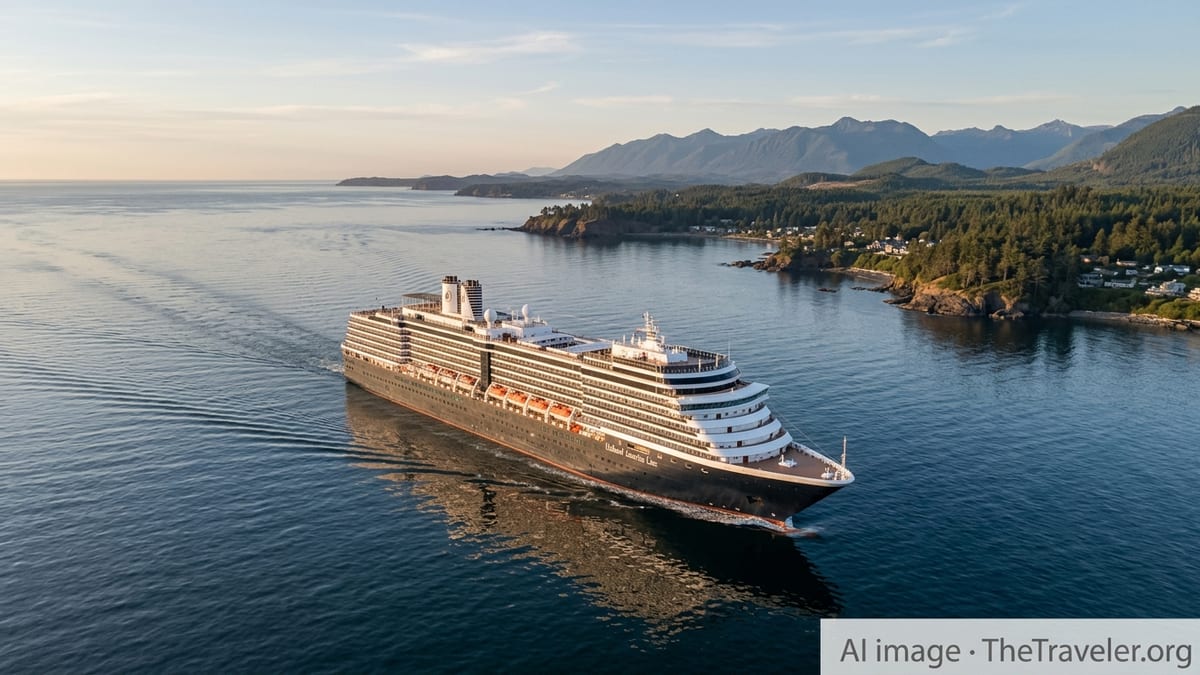
Seasonal ship movements create a new budget corridor
Repositioning cruises are one-way voyages that move ships between seasonal regions, such as from the Caribbean to the Mediterranean in spring or back again in autumn, with embarkation and disembarkation ports often thousands of kilometers apart. Publicly available guides note that these sailings typically last 12 to 18 nights and include a high number of sea days compared with standard itineraries. ([mycruisereview.com](https://mycruisereview.com/guides/transatlantic-repositioning-guide?utm_source=openai))
Because ships must relocate regardless of how many cabins are sold, operators often treat these crossings as an opportunity to fill otherwise non-revenue inventory. Cruise-pricing trackers describe repositioning voyages as among the deepest per-night values in mainstream cruising, with per-day fares that can fall well below those of regular weeklong sailings on the same vessels. ([mycruisechecklist.com](https://mycruisechecklist.com/guides/repositioning-cruises-the-deep-value-play?utm_source=openai))
Recent comparison tables for 2026 transatlantic routes illustrate the pricing gap. One example lists a 13-night Barcelona to Miami crossing on MSC Grandiosa in late October 2026 starting at under 500 dollars per person for the lowest category, while other transatlantic sailings of similar length fall in the 600 to 800 dollar range. These published fares highlight how a two-week ocean crossing can rival or undercut the cost of an economy long-haul flight once accommodation is factored in. ([cruisestravels.com](https://cruisestravels.com/destinations/transatlantic-cruises/?utm_source=openai))
Industry-focused coverage also points out that repositioning voyages are increasingly marketed not just as cheap crossings but as extended, one-way journeys linking marquee ports in Europe, the Canary Islands, Madeira or the Azores with Caribbean or North American gateways. This pattern effectively creates seasonal, slow-travel corridors between continents that budget-conscious travelers can plan around. ([cruisecritic.com](https://www.cruisecritic.com/articles/best-repositioning-cruises?utm_source=openai))
Spain’s cruise hubs gain from transatlantic flows
Spain has emerged as one of the main beneficiaries of this trend, leveraging its established cruise infrastructure to capture repositioning traffic. The Port of Barcelona, already one of Europe’s leading turnaround ports, handled nearly 4 million cruise passengers in the most recent full year reported, an increase of close to 10 percent on the previous year and more than a quarter above pre-pandemic levels, according to port statistics summarized in a 2026 industry report on Spanish ports. ([transportexxi.com](https://www.transportexxi.com/wp-content/uploads/2026/04/TransporteXXI-SP-Spanish-Ports-2026-web.pdf?utm_source=openai))
These volumes are tied not only to classic Mediterranean itineraries but also to spring and autumn crossings that begin or end in Spanish ports such as Barcelona, Valencia and Málaga. Repositioning schedules commonly route ships from these embarkation points via the Canary Islands or Madeira before heading across the Atlantic to Caribbean or U.S. East Coast destinations, effectively turning Spain into a natural staging area for affordable intercontinental travel. ([cruisecritic.com](https://www.cruisecritic.com/articles/best-repositioning-cruises?utm_source=openai))
Economic studies commissioned by port and industry bodies estimate that cruising contributes more than 6 billion euros annually to Spain’s economy and supports tens of thousands of jobs, from ship services to hotels and shore excursions. While those figures cover the entire cruise segment, repositioning calls and turnarounds add a layer of off-season demand that can help smooth seasonal swings in cities like Barcelona and Las Palmas. ([transportexxi.com](https://www.transportexxi.com/wp-content/uploads/2026/04/TransporteXXI-SP-Spanish-Ports-2026-web.pdf?utm_source=openai))
Travel planners tracking low-season deals note that October and November repositioning voyages from Spain to North America, or the reverse in April and May, often coincide with shoulder-season pricing on hotels and domestic flights. That combination makes Spain an appealing gateway for travelers piecing together multi-stop trips that combine a long sea crossing with overland segments in Europe or the Americas. ([dannysadventures.com](https://www.dannysadventures.com/_files/ugd/34eee6_a196fb4fba384827bde604dbebfe649f.pdf?index=true&utm_source=openai))
Value calculus: more nights at sea, fewer ports and one-way flights
For travelers, the appeal of repositioning cruises typically lies in the cost-per-night math. Cruise deal guides report that many 2026 repositioning sailings across the Atlantic or between Alaska and the Caribbean are priced under 100 dollars per person per day for inside cabins, sometimes dropping below 70 dollars when promotions apply. That rate usually includes accommodation, meals and onboard entertainment, compressing core travel costs into a single fare. ([earthsims.com](https://www.earthsims.com/cruises/repositioning-cruises-2026/?utm_source=openai))
However, specialized guides emphasize that the savings come with trade-offs. Repositioning voyages are heavy on sea days and relatively light on port calls, which means fewer opportunities for short-stop sightseeing compared with port-intensive Mediterranean or Caribbean itineraries. Travelers also need to factor in at least one one-way flight, plus potential overnight stays before or after the cruise, which can erode some of the apparent savings if booked late or during peak periods. ([mycruisereview.com](https://mycruisereview.com/guides/transatlantic-repositioning-guide?utm_source=openai))
For flexible travelers planning months in advance, the equation can still favour the ship. One analysis aimed at location-independent workers describes how a two-week transatlantic repositioning can substitute for a long-haul flight, providing transport and accommodation for a similar outlay while enabling work on multiple sea days thanks to improved onboard connectivity. Several major cruise brands have rolled out higher-speed satellite internet across their fleets, which has helped attract remote workers and digital nomads looking to build slow, seasonal moves into their annual plans. ([earthsims.com](https://www.earthsims.com/cruises/repositioning-cruises-2026/?utm_source=openai))
Online forums and travel communities reflect similar calculations at the individual level, with contributors describing 14- or 15-night repositioning itineraries priced close to a standard seven-night cruise, albeit with added gratuities and onboard expenses spread over more days. These anecdotal accounts align with broader pricing data that presents repositioning crossings as a niche but consistently discounted segment of the cruise market. ([reddit.com](https://www.reddit.com/r/Cruise/comments/1baz1lp?utm_source=openai))
From niche sailings to mainstream marketing
Historically, repositioning voyages were treated as operational necessities that appeared quietly on booking engines without special branding. Recent marketing, however, shows more cruise lines foregrounding these sailings as distinct experiences. Dedicated comparison sites now aggregate repositioning itineraries across operators, allowing users to filter by route, month and nightly price and framing the crossings as a category of their own. ([repocruises.com](https://repocruises.com/?utm_source=openai))
Consumer-facing travel media has increasingly highlighted repositioning journeys in roundups of transatlantic cruises, often noting that almost every major cruise line offers some version of these longer, mostly one-way itineraries. Articles point to routes linking Barcelona or other European ports with Caribbean and North American destinations, sometimes via out-of-the-way islands such as the Azores or Bermuda, as examples of how repositioning can double as both transport and leisurely exploration. ([cruisecritic.com](https://www.cruisecritic.com/articles/the-best-transatlantic-cruises?utm_source=openai))
Some lines have begun to weave repositioning voyages into themed offerings, promoting extended sea-day stretches as an opportunity for enrichment programs, wellness retreats or intensive onboard entertainment lineups. Others emphasize the adult-only or small-ship character of certain crossings, positioning them as quieter alternatives to peak-season family cruises. Public itineraries from newer brands, for instance, showcase one-way Atlantic routes linking European cities, the Canary Islands and Caribbean ports, framed as slow journeys rather than simple transfers. ([virginvoyages.com](https://www.virginvoyages.com/destinations/transatlantic-and-more?utm_source=openai))
This repositioning of repositionings, from back-of-the-brochure entries to headline products, has helped broaden awareness among travelers in Spain, the wider European market and North America. As more consumers seek ways to reduce the cost and environmental intensity of frequent flying, the idea of combining fewer flights with occasional long sea crossings is likely to remain part of the conversation about how to travel globally on a tighter budget.
Outlook: more capacity and closer scrutiny
Looking ahead to the 2026 and 2027 seasons, schedule overviews point to a growing number of repositioning options across the Atlantic, Pacific and via the Panama Canal, with several operators introducing new ships and routes that touch Spanish and other European ports. Some analyses highlight an especially dense cluster of Alaska-to-Caribbean repositionings in early autumn 2026, along with multiple Barcelona-origin crossings in April and October 2026, suggesting more capacity in what has traditionally been a niche category. ([outdoortasteandtour.com](https://outdoortasteandtour.com/cruises/posts/repositioning-cruise-deals-guide?utm_source=openai))
At the same time, cruise expansion has drawn increased attention from local communities and regulators in major ports, including in Spain, who are weighing the economic benefits of cruise tourism against concerns about congestion and emissions. While repositioning voyages make up only a slice of total traffic, their role in boosting off-season arrivals can amplify debates over how many ships and passengers cities should accommodate and under what conditions. ([transportexxi.com](https://www.transportexxi.com/wp-content/uploads/2026/04/TransporteXXI-SP-Spanish-Ports-2026-web.pdf?utm_source=openai))
Environmental advocates argue that slower, ship-based travel is not automatically a climate solution when compared with flying, especially given the energy intensity of large cruise vessels. Industry bodies, for their part, emphasize investments in newer ships with more efficient propulsion systems, alternative fuels and shore-power connections in ports such as Barcelona, alongside initiatives to distribute calls across multiple destinations. How these efforts evolve will help determine whether repositioning cruises can credibly claim a role in lower-impact global travel. ([transportexxi.com](https://www.transportexxi.com/wp-content/uploads/2026/04/TransporteXXI-SP-Spanish-Ports-2026-web.pdf?utm_source=openai))
For now, the numbers indicate that price-sensitive travelers in Spain and other cruise markets are embracing repositioning voyages as a flexible tool in their travel mix. As long as fares for multi-week crossings remain competitive with the combined cost of long-haul flights and accommodation, seasonal ship movements are likely to stay on the radar for those looking to stretch their budgets across multiple continents.
Cruise Critic: Best Repositioning Cruises
The Points Guy: Repositioning Cruises 2025 and 2026