


An Alaska cruise is one of the world’s great seasonal journeys, but the experience can feel very different in May than it does in August. The core cruise window is relatively short, ships do not generally sail here in midwinter, and every month comes with trade offs in daylight, wildlife, prices and crowds. Understanding those nuances is the key to choosing the right departure rather than hoping for one catch all “best” month.
Get the latest updates straight to your inbox!
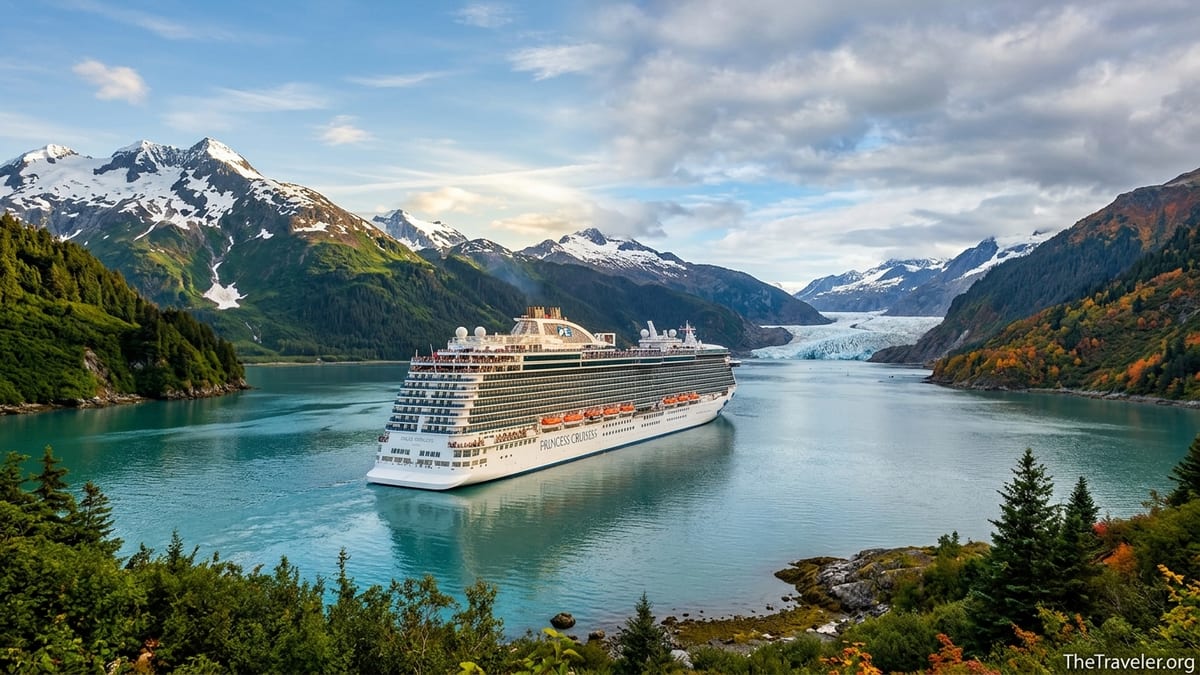
Understanding Alaska’s Cruise Season Window
Most mainstream Alaska cruises operate between late April or early May and late September. Industry groups and tourism authorities commonly describe a May to September season, with some itineraries now stretching into mid or even late October in years when demand and port operations allow. Within that window, the busiest months for large ships and coastal communities are typically June, July and August, when schools are on break and daylight is longest.
The reason cruises do not generally run through the dark winter months is a combination of weather, sea conditions and infrastructure. Southeast Alaska and the Gulf of Alaska see frequent winter storms, higher seas, stronger winds and cold rain or snow. These conditions complicate ship operations and tendering, and many small tour operators, shops and shore excursion providers close or scale back between roughly October and April. Ports and pilots are active year round, but the ecosystem of excursions that makes an Alaska cruise appealing is built around the summer visitor season.
It is also important to remember that “season” is not a fixed rule. Each year, cruise lines tweak start and end dates, and smaller expedition lines may run slightly earlier or later than the big-ship brands. Travelers considering very early spring or late fall sailings should check current itineraries and be prepared for more volatile conditions than in midsummer.
Because there is no single perfect month for everyone, this guide compares May through September across the factors most Alaska cruisers care about: weather, daylight, wildlife, prices, crowds and operational considerations such as glacier access. It also notes the limited late April and early October sailings that exist in some years, which can appeal to travelers prioritizing shoulder season value and quieter ports.
Climate Basics: Ports, Temperatures and Daylight
Most Alaska Inside Passage itineraries visit a mix of Juneau, Ketchikan and Skagway, sometimes with additional stops such as Sitka or Icy Strait Point. Climate normals from the U.S. National Oceanic and Atmospheric Administration show that summers here are generally cool and wet compared with the lower 48. In Juneau, average high temperatures from May through September run roughly from the mid 50s Fahrenheit in May to the low 60s in July, then ease back toward the mid to upper 50s in September. Nights are usually in the low 40s to low 50s in this period, though cold or warm spells are possible.
Further south in Ketchikan, which sits in a very wet maritime zone, average summer highs are also in the upper 50s to low 60s, with May and June somewhat drier and July through September progressively wetter on average. Climate normals for Ketchikan show annual precipitation of roughly 150 inches, among the highest for any U.S. city, so visitors should assume some rain in any month. Skagway, farther north and tucked into a fjord, is often a bit drier and can feel slightly warmer on sunny summer days, with July afternoons commonly in the low to mid 60s, though it can also be windy.
Daylight is a major advantage of the Alaska cruise season. Around the June solstice, Juneau and Skagway see more than 18 hours of daylight, with very long twilights. Even in May and August, it can be light for well over 16 hours a day. By September, daylight shrinks but remains generous compared with many other destinations, with roughly 12 to 13 hours of usable light early in the month and around 11 hours by late September. These differences affect everything from the feel of port days to the likelihood of spotting wildlife from the ship in the evening.
Fog and low cloud can occur in any month, particularly in coastal areas where cooler marine air meets warmer land or water. Early mornings in spring and late summer sometimes see more frequent fog, which can delay flights or scenic flightseeing excursions. However, patterns vary year by year, and local microclimates mean that conditions only a few miles apart can differ considerably.
May: Cool, Fresh and Often Good Value
May marks the practical start of the Alaska cruise season for most travelers. In Juneau and Ketchikan, average high temperatures are usually in the low to mid 50s Fahrenheit, with nights in the low 40s. Skies can feel clearer in many years because late spring is, on average, among the drier times of year in parts of Southeast Alaska, though showers remain common and travelers should not expect blue skies every day. Snow may linger at higher elevations around ports, particularly on mountain peaks visible from town.
Daylight in May is already impressive. By mid month, Juneau enjoys around 16 to 17 hours of daylight, which means long port days and extended evening views from the ship as it sails between stops. For photographers, this can translate into long, soft evening light and snow still contrasting sharply with new green vegetation on the mountainsides. The air can feel crisp, and some early season days may be windy or chilly on open decks.
Wildlife viewing begins to ramp up in May. Many humpback whales that wintered in warmer waters are returning to Southeast Alaska feeding grounds, and whale watching tours typically operate with good success by this point, although overall numbers may build further into June and July. Bald eagles are common, and bears begin appearing near rivers and shorelines, especially in areas with early salmon runs or intertidal feeding. The main summer salmon runs, however, generally peak later in the season, so bear viewing focused on salmon streams may be better into mid or late summer depending on location.
From a pricing and crowds perspective, May is often promoted as a shoulder or value month. Fares can be lower than peak July and early August dates, and ships may feel a little less busy, though this varies by line and itinerary. Families with school-age children are somewhat less common, which can result in a slightly quieter onboard atmosphere. Travelers who tolerate cooler temperatures and the risk of spring storms may find May an appealing combination of value, daylight and emerging wildlife.
June: Balancing Mild Weather, Long Days and Growing Crowds
June is when Alaska’s cruise season hits its stride. Average high temperatures in Juneau, Ketchikan and Skagway generally reach the upper 50s to around 60 Fahrenheit, with nights in the mid 40s to low 50s. Many locals and visitors consider June one of the more comfortable months, as it often retains some of the relative dryness of late spring, particularly in the northern part of the Inside Passage, though coastal Ketchikan remains prone to rain showers.
Daylight reaches its annual peak around the June solstice. In Southeast Alaska, this means more than 18 hours of daylight and very short nights. Port calls that begin early in the morning and stretch into evening can feel almost continuous, which is ideal for active travelers who want to combine multiple excursions or wander on their own after tours end. Long days also increase the chances of spotting whales, porpoises or seabirds from deck during evening sailings.
Wildlife is in full swing by June. Humpback whale sightings are common in the main Inside Passage feeding areas, and the broader whale watching season is underway across most cruise ports that offer marine wildlife excursions. Orcas are present in Southeast waters year round, but many local operators describe better chances of encounters from roughly late spring into summer, depending on specific pods and prey. Birdlife, including puffins, eagles and seabirds, is abundant, and some early salmon runs begin to appear, though peak salmon and bear viewing generally build as the summer progresses.
In pricing terms, June is moving toward peak but can sometimes be less expensive than the heart of school holiday season in late July and early August. Some guides and cruise sellers highlight early June as a sweet spot: milder temperatures and long days, well-developed wildlife viewing, and somewhat less crowding than high summer, though this is not guaranteed in years of very strong demand. For families whose school calendars allow an early summer trip, June can offer a good balance of conditions.
July: Peak Summer, Peak Demand
July is the classic mental image many travelers hold of an Alaska cruise. Climate normals for July show average high temperatures in the low 60s Fahrenheit in Juneau, Ketchikan and Skagway, with nights generally in the low 50s. On sunny days, it can feel warmer, especially in sheltered spots or on dark ship decks, yet sea breezes and occasional rain keep the climate distinctively cool compared with most of the continental United States at this time of year. July also tends to be one of the warmer and more stable months overall, though showers and overcast periods remain common.
Daylight remains extremely long in July, only slightly reduced from the solstice. Travelers can expect extended evenings where it stays light well past 10 p.m. for much of the month in Southeast Alaska. This is ideal for photographers chasing lingering golden light and for families who want the flexibility to enjoy late dinners, deck time and evening wildlife watching without feeling constrained by darkness. Urban light pollution is minimal in most ports, which can produce striking late night twilight scenes on clear evenings.
Wildlife viewing opportunities are excellent in July. Humpback whales are firmly established on feeding grounds, and sightings are common on dedicated whale watching tours and, often, from cruise ship decks. Many salmon runs through Southeast Alaska rivers build from mid summer, drawing bears to streams and estuaries in some areas, depending on local regulations and safety considerations. Marine life such as seals, sea lions and porpoises are frequently seen, and dense greenery contrasts with remaining snowfields at higher elevations.
From a market perspective, July is often among the most expensive months to cruise Alaska. Many cruise lines and travel advisors describe mid July through mid August as peak pricing and peak crowds, driven by school holidays and more predictable vacation schedules. Ships may sail near or at full capacity, especially on popular one week Inside Passage routes. Travelers prioritizing warmest average temperatures, abundant wildlife and a family friendly onboard atmosphere will often gravitate to July, while those seeking lower prices or quieter ships may favor shoulder months.
August: Late Summer Riches With Increasing Rain Risk
August extends the warmth of mid summer while subtly introducing early signs of fall. Average high temperatures in key ports remain in the upper 50s to low 60s Fahrenheit, though toward late August nights can feel cooler, dropping back into the upper 40s more frequently. In some parts of Southeast Alaska, climatological data show that precipitation begins to increase again by late summer, with September and October typically the wettest months of the year. In practical terms, this means August can feel a bit wetter and more overcast on average than June, although daily conditions vary widely.
Daylight in August gradually shortens yet remains generous for most travelers. Early in the month, Southeast Alaska can still see around 16 hours of daylight; by late August, daylight has eased closer to 14 hours. This is still plenty for long port days and scenic cruising, but evenings begin to darken earlier, which some travelers find cozier after months of very late sunsets. Cloudier skies can produce moody, dramatic light that some photographers and artists particularly enjoy.
Wildlife remains robust in August. Many salmon runs are near or past their peak in specific rivers, and bear viewing opportunities at managed platforms or in certain wild areas are often strongest from mid to late summer, depending on location and species. Humpback whales continue feeding in large numbers, and orca encounters remain possible. For travelers specifically focused on salmon, bears and lush green landscapes, many guides suggest that late July through August can be especially rewarding, accepting that rain and low cloud may be more frequent.
Pricing patterns in August are nuanced. Early August typically aligns with peak family demand and can be priced at a premium, sometimes rivaling or exceeding July. As schools begin to resume in parts of North America late in the month, demand for family cabins can soften, and some late August sailings may be somewhat more affordable. However, such patterns shift each year, and travelers should check live fares for their specific dates. Overall, August suits travelers seeking rich wildlife and mature summer scenery, who do not mind a higher chance of rain and somewhat larger crowds early in the month.
September: Fall Colors, Value Potential and More Variable Weather
September is the traditional closing chapter of the Alaska cruise season, although in some recent years a few itineraries have continued into early or even mid October. Average high temperatures in September drop back into the mid to upper 50s Fahrenheit in Juneau, Ketchikan and Skagway, with nights often in the mid 40s. Many climate summaries note that September and October are among the wettest months in Southeast Alaska, so travelers should anticipate a higher likelihood of steady rain, low clouds and occasionally gusty conditions.
Daylight continues to shorten, with early September offering roughly 12 to 13 hours of light and late September closer to 11 hours at Southeast latitudes. While this is still sufficient for most cruise itineraries, evenings can feel markedly darker compared with midsummer. On the other hand, the lower sun angle and shifting weather can produce beautiful atmospheric scenes, including vivid rainbows, dramatic cloudscapes and, in some areas, early fall foliage on hillsides.
Wildlife does not vanish with the onset of fall. Many whales remain in Southeast feeding grounds into September before beginning their migrations, and salmon runs continue or taper depending on species and river. In some locales, bear viewing near salmon streams can still be productive, though timing is more sensitive to local conditions. The overall sense is of a season winding down, with changing colors and cooler air rather than the lush fullness of July and early August.
From a pricing and crowds perspective, September is widely regarded as a value or shoulder period. Many cruise lines and travel commentators highlight early and mid September departures as offering lower average fares than peak summer, along with fewer families and slightly quieter ships. The trade offs are clear: a higher chance of rain, more frequent rough seas or weather related itinerary changes in the Gulf of Alaska, and cooler temperatures in port. For flexible travelers, especially couples, photographers attracted to moodier light, or repeat visitors, September can be a rewarding choice.
Edge Season Sailings: Late April and Early October
In recent years, some large cruise ships and smaller expedition vessels have begun operating limited itineraries as early as mid or late April and as late as early or mid October. These sailings remain at the fringes of the Alaska season and are far less common than departures from May through September. Travelers considering these dates should treat them as true shoulder or off-peak options, with distinct advantages and risks.
Weather in late April is typically colder than in May, with average highs in Southeast Alaska often in the upper 40s to low 50s Fahrenheit and nights still close to freezing in some locations. Snow can remain visible at lower elevations, and some shore excursions that depend on snow-free trails or mountain roads may not yet be operating at full capacity. On the positive side, early wildflowers and stark snowcapped peaks can be striking, and crowds are minimal in port.
Early October sees a continuation of September’s cooling and wetting trend. Average highs in major cruise ports fall into the low to mid 50s Fahrenheit, with nights dipping into the low 40s and upper 30s more frequently. Rain is common and autumn storms in the Gulf of Alaska or outer coastal areas can occasionally disrupt sea conditions or trigger itinerary changes. Many seasonal shops and tour operators may already be closed or closing, so the range of shore excursions is usually more limited than in midsummer.
Fares in both very early and very late season are often marketed as attractive, but availability varies by year. These sailings may appeal to budget conscious travelers who are more interested in the ship experience than an extensive menu of shore excursions, and to photographers or repeat visitors who appreciate dramatic, changeable conditions. Anyone considering April or October should watch for updated information each year on which ports and fjords are accessible and which excursions are realistically available.
Glacier Viewing, Fjord Access and Northern Lights Expectations
Glacier viewing is a key reason many travelers choose an Alaska cruise, and it is possible throughout the core May to September season. Large ships typically include either a day of scenic cruising in Glacier Bay National Park or a visit to tidewater glaciers such as Hubbard Glacier or Dawes Glacier in Endicott Arm, depending on itinerary. Calving events, where chunks of ice break off into the sea, can occur in any month, and there is no firm consensus that one summer month is dramatically better than another for glacier spectacle. Ice conditions, cloud cover and wildlife sightings around glaciers change week to week.
What does vary is access to certain fjords and narrow arms such as Tracy Arm and Endicott Arm. In some years, early season ice conditions mean that large ships cannot safely enter as far as planned, or must substitute a different glacier or scenic area. Late season storms can also influence access due to wind, swell or visibility. Because these factors depend heavily on the specific year and even on conditions the week of your cruise, travelers should treat any claims about typical closures with caution and verify current status closer to departure through their cruise line or local operators.
Northern lights are a common question for Alaska cruise planners. In practice, the aurora borealis is rarely visible on mainstream Inside Passage cruises in peak summer. The combination of very long daylight hours, relatively southern coastal latitudes compared with Alaska’s interior, and often cloudy or maritime conditions severely limits aurora viewing chances from May through early August. Even when geomagnetic activity is high, the sky is often simply too bright. Chances improve marginally in late August and September as nights darken, and some late season sailings that venture farther north or offer overnight stays in ports with darker skies may see occasional displays, but expectations should remain modest.
Travelers with aurora as a priority should generally plan a dedicated fall or winter land trip to interior Alaska rather than relying on a standard summer coastal cruise. If you happen to be on a late August or September sailing and conditions align with a clear dark night and strong aurora activity, consider any visible display a fortunate bonus rather than a guaranteed feature of the itinerary.
What to Pack: Clothing, Footwear and Comfort by Month
Regardless of month, a flexible layering system is the most important packing strategy for an Alaska cruise. Even in July, mornings on deck while the ship is moving past glaciers can feel cold, particularly in wind, while afternoons in sheltered ports can feel almost warm in the sun. Travelers should plan on a moisture wicking base layer, an insulating mid layer such as fleece or a light sweater, and a waterproof, wind resistant outer shell. This approach makes it easy to adapt quickly as conditions change.
In May and early June, with cooler average temperatures and a higher chance of lingering snow at higher elevations, slightly warmer layers and gloves or a hat are advisable, especially for glacier viewing days or helicopter and floatplane excursions. Some mountain passes or high elevation attractions can have snow patches into early summer, so shoes with good traction and some water resistance are important. By July and August, temperatures are milder but rain showers are still frequent, so a lightweight waterproof jacket, quick drying pants and a small daypack for adding or removing layers are very useful.
September and any edge season sailings in late April or early October call for more focus on staying dry and comfortable in persistent rain. A sturdier waterproof jacket, waterproof or water resistant footwear with good non-slip soles, and extra warm layers help make cool, damp days more enjoyable. Ship decks and gangways can become slippery when wet, so travelers with limited mobility may want to bring shoes that provide extra grip and consider trekking poles or a folding cane for security on uneven terrain during shore excursions.
On all sailings, a simple accessory kit of a warm hat, light gloves, sunglasses and a compact umbrella or hood is useful. However, umbrellas can be awkward on windy piers or small boats, so many local guides prefer hoods and brims. Packing choices should prioritize comfort and safety over style, as being too cold or wet can limit enjoyment of scenic cruising and wildlife watching opportunities.
Matching Months to Traveler Priorities
Different traveler groups tend to favor different parts of the season. Families tied to school holidays often choose late June, July or early August, when children are on break and weather is generally mildest. These months offer long days ideal for energetic itineraries, and ships may schedule more family-oriented activities. The tradeoff is higher prices and busier ports. Families who can travel in early June or late August sometimes find similar conditions with a bit more value, though this depends on the year.
Photographers seeking clear skies, lingering snow on peaks and very long golden hours may gravitate toward late May, June and early July. These weeks can combine crisp air, snowcapped mountains, fresh greenery and extended twilight, particularly at higher latitudes. Those who prefer moody, atmospheric scenes with clouds, rain and fall color might deliberately choose late August or September, understanding that they may lose some clear views but gain drama in return.
Travelers with limited mobility or those particularly sensitive to rough seas often prioritize relative stability and predictability. While weather can never be guaranteed, mid season months such as June and July typically offer calmer averages in the Gulf of Alaska and along the Inside Passage than late fall, and longer daylight aids safe movement on deck and ashore. Such travelers may also prefer itineraries that spend more time in the sheltered Inside Passage rather than crossing more exposed stretches for extended periods.
Budget-sensitive travelers, including solo travelers and flexible couples, often find the best combination of lower fares and good overall conditions in early May, early June, late August and September. These periods are commonly marketed as shoulder seasons, and while they come with cooler or wetter weather and sometimes reduced excursion offerings, they also bring smaller crowds and a more relaxed pace. Anyone considering these months should remain flexible, build in room for potential flight or weather delays, and focus on the core experiences that matter most to them.
Month-by-Month Comparison and Final Recommendations
A simple way to compare the Alaska cruise season is to think of each month’s overall “vibe.” May is cool, fresh and often better value, with emerging wildlife and a sense of anticipation. June offers a balance of mild weather, long days and building activity. July provides peak summer warmth and wildlife alongside peak prices and crowds. August delivers lush late summer landscapes and strong wildlife, with an increasing chance of rain. September offers fall colors, quieter ships and potential savings in exchange for cooler, wetter and more changeable weather.
For travelers looking for long days and family friendly schedules, late June through early August usually fits best, provided they accept higher fares and busier ships. For those seeking lower prices and fewer crowds while tolerating cooler temperatures and more variable conditions, early May, early June, late August or September are strong candidates. Serious wildlife enthusiasts often choose July and August for salmon, bears and whales, while photographers and repeat visitors often appreciate the edge seasons for unique light and atmosphere.
There is no universal agreement among experts or locals on a single “best” month. Some prioritize drier late spring weeks in parts of the Inside Passage, while others favor peak salmon and bear viewing in high summer or the moody drama of early fall. Climate normals, wildlife patterns and pricing data all suggest that every month between late April and early October can be rewarding in different ways. The most successful Alaska cruisers are those who recognize the trade offs, set realistic expectations and choose the month that aligns most closely with their own priorities rather than chasing a mythic perfect moment.
Whichever month you choose, an Alaska cruise offers immense glaciers, intricate fjords, rich wildlife and distinct maritime communities concentrated into a short but intense season. By understanding how May differs from September and how July compares with June, you can step aboard knowing what you are likely to experience, what you might reasonably hope for, and which surprises the changing weather and wild landscapes may still deliver.